Posted by: seattledizzygroup | July 29, 2014

Treating and Managing Vestibular Disorders

Treating & Managing Vestibular Disorders

by Meredith Mancuso, DPT

of MOSAIC Physical Therapy

(Presented to Seattle Dizzy Group on 7/12/14)

This presentation gives an overview of Vestibular Rehabilitation Therapy (VRT) focusing on the treatment of Vestibular Unilateral Hypofunction (as from Meniere’s Disease, Labyrinthitis, or Vestibular Neuritis), and the importance of Gait Speed. Vestibular Anatomy
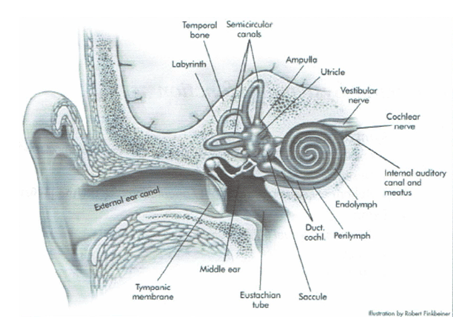
BRIEF ANATOMY AND SYSTEM REVIEW

 What does our Vestibular System do?

  • Interprets orientation in space
  • Interprets linear acceleration
  • Interprets rotational acceleration
  • Helps us achieve true vertical

What are the important components?

  • Otoliths are for the linear acceleration
    • Horizontal versus vertical
  • Canals are for rotational and filled with fluid called endolymph
    • Canals are responsible for BPPV (aka the “dreaded crystals”)

WHAT IS VESTIBULAR HYPOFUNCTION?

  • A diagnosis of unilateral vestibular hypofunction is made when the balance system in your inner ear (peripheral vestibular system) is not working properly.
    • The system can also be affected on both sides (bilateral hypofunction).
  • This typically results from a cold or flu (viral). It could also be due to trauma or surgical intervention. The infection can be bacterial, but this occurs less often.
  • This infection can affect, and cause, inflammation of the labyrinth or the nerve.
    • Nerve = vestibular neuritis
    • Labyrinth = Labyrinthitis

What are the complaints?

  • The onset is usually sudden and potentially severe and corresponds with a recent illness.
  • Dizzy! With turning head one side or the other.
  • Off Balance: Difficulty walking in complex environments such as uneven surfaces or in complex visual fields such as in the grocery store.
  • Difficulty with low light situations.
  • Often will have complaints of nausea.
  • If the labyrinth is involved there may be Hearing changes and sensitivity to loud noises.

How do we know if we have hypofunction?

  • Physical therapist or Medical specialist can perform several tests.
  • PTs usually use a head thrust test or a dynamic visual acuity test.
  • An eye exam is usually performed as well to see if it is acute or if the patient has already learned to compensate.
  • Assess Balance.

What do we do about it now?!

  • Visit a specialist to rule out more.
  • Gaze stabilization exercises – create an error signal to allow change in the brain (compensation).
    • X1 viewing – target is in front of you, moving your head at 2hz pace back and forth.
    • X2 viewing.
    • Incorporate balance and walking with the above tasks.
  • Balance exercises that challenge us 3x beyond what we need to be physically capable of doing.
    • One method of predicting outcomes and determining if a balance program is effective is to measure and monitor gait speed.

Gait Speed Test Side by Side photos update

GAIT SPEED

Why do I care?

  • Forecast rehabilitation outcomes
  • Correlated with:
    • Fear of falling
    • Gait behavior, such as how successfully an elderly individual can enter the com­munity and cross the street
  • Can also predict functional decline

Additional factors that affect Gait Speed

  • Motor control and muscle performance affect
  • Sensation
  • Perception
  • Endurance levels
  • Environmental characteristics
  • Motivation
  • Mental health, and cognitive status

What numbers are important?

  • Patients who ambulate at speeds slower than 1 m/s benefit from fall prevention training
  • Those who walk slower than 0.6 m/s have a high risk of physical disability
  • Gait speeds less than 0.6 m/s are also predictive of a future risk of hospitalization and a decline in health and function
  • Those who walk faster than 0.8 m/s are characterized as community ambulators and can maneuver through crowds and shopping centers
    • The minimum detectable change value of gait speed in patients who lack normal gait speed is 0.1 m/s. In geriatric patients I have seen .05m/s
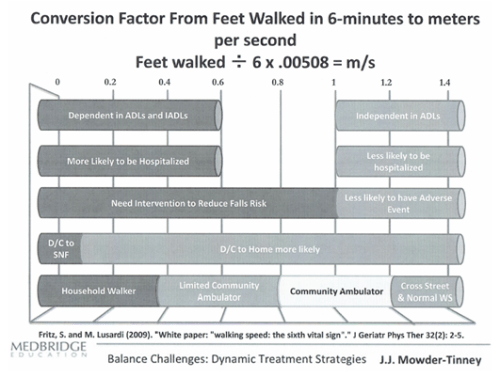
Gait Speed TestGait Speed ChartIdeas for improvement in Gait Speed

  • Stay flexible! – you have to be able to move to move quickly.
    • Range of motion at the hip, particularly into extension (leg behind you) will affect your ability to create a long stride.
    • Ankle range of motion and strength are required for push off and to compensate for any loss of balance.
  • Stay strong! – build and maintain muscle mass.
    • To build muscle you need to be working at an exertion level of about 15 on a scale that goes from 6-20 (rate of perceived exertion).
  • Count your steps and see if you can do it in fewer steps.
    • This will help improve step length.
  • Try to practice dual task activities to boost our ability to multi task when in a controlled environment.
    • Counting backwards
    • Carrying water
    • Singing
  • Incorporate visual distractions.
  • Try pushing and pulling an item, particularly if you are working towards walking with a pet.
  • Try changing the surface.
  • Change the light source or close your eyes (perform safely please!).

See also:  “Vestibular Physical Therapy for Dizzy Patients”
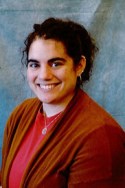
Meredith Mancuso DPTMeredith Mancuso, DPT

of MOSAIC Physical Therapy

Meredith grew up in Boston, MA. She attended Colby College in Waterville, ME and went on to get her Doctorate in Physical Therapy at Massachusetts General Hospital’s Institute of Health Profession, Boston, MA. She joined MOSAIC PT in March 2014.

http://www.mosaicrehab.com/mlt/therapists/meredith_mancuso.php

VRT Image from: www.mosaicrehab.com


*******

Presentation information is not meant to be taken as medical advice.

Presentations posted online may include discussion notes, links, images, and other information added by Seattle Dizzy Group.

Download Presentation Handout PDF (original without notes):  www.facebook.com/groups/SeattleDizzyGroup/files/

(Join the Seattle Dizzy Group closed/secret Facebook group to download the presentation.  Send us your email address for invitation to join our Facebook group).

*******
Posted by: seattledizzygroup | June 16, 2014

Feldenkrais and Easier Movement

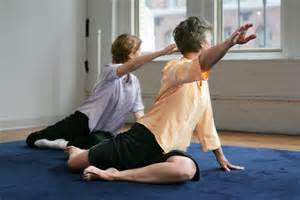
Feldenkrais photo

Feldenkrais and Easier Movement:

The Most Efficient Way to a Limber & Comfortable Body

by Irene Pasternack & Ed Mills

of Move Beyond Limits

(Presented to Seattle Dizzy Group on 5/10/14)

Feldenkrais Method® gentle movement lessons improve sensitivity and balance in the feet, ankles, and sit bones.  Fine-tuning the ability to organize over our feet helps us compensate for vestibular challenges, and increase comfort and safety.  This presentation gives exercises which address various movement challenges, relieve day-time stress, and help us relax into sleep. Also, learn tips to ease tension and travel more comfortably.

Introduction to Feldenkrais

The Feldenkrais Method® is for anyone who wants to reconnect with their natural abilities to move, think and feel. Whether you want to be more comfortable sitting at your computer, playing with your children and grandchildren, or performing a favorite pastime, these gentle lessons can improve your overall well-being.

Learning to move with less effort makes daily life easier. Because the Feldenkrais Method® focuses on the relationship between movement and thought, increased mental awareness and creativity accompany physical improvements. Everyone can benefit from the Feldenkrais Method®.

We improve our well-being when we learn to fully use ourselves. Our intelligence depends upon the opportunity we take to experience and learn on our own. This self-learning leads to full, dynamic living.

Ordinarily, we learn just enough to function. For example, we learn to use our hands well enough to eat, our legs well enough to walk. Our abilities to function with a greater range of ease and skill, however, remain to be developed. The Feldenkrais Method® teaches—through movement—how we can improve our capabilities to function in our daily lives.

(Information from www.feldenkrais.com).

Instructions for Movement Lessons

These short explorations are meant to help you relax and stay limber.  Have fun experimenting.

  • Move slowly, so that you can sense how you start the move.
  • Repeat each movement a few times, and take frequent pauses.
  • As you quietly observe yourself, notice:

    • Are you breathing easily?
    • Is any other part holding? (Jaw? Stomach?) Can you let it go?
    • What can you do to smooth out the motion?
    • Is the movement symmetrical on the two sides of you?
    • What feels different after this exploration?

 Go Deeper

  • Once a movement feels easy, try making it smaller. Or, just imagine doing the movement.
  • If the quality of a movement is nicer on one side, explore using that side to teach the other. See what else moves on the easy side, and try that on the other side.

Anytime You’re Stiff, Sore, or Bored

Moving parts of yourself around an imaginary face of a clock is a great way to target a specific area you’d like to relax. You can do these movements while you’re sitting or lying down.

Pelvic Clock

  • Imagine sitting or lying on a clock no bigger than a CD and rocking the weight of your pelvis towards the numbers on the dial.
  • Build your clock slowly. Start by moving forward or back (in sitting) or up and down (in lying), and then gently rocking side-to-side.
  • Explore small sections of the clock: an arc from 12-3, 3-6, 6-9, 9-12, then half-circles, and then circles in each direction.
  • Go slow and small so that you can smooth the circle as you go.
  • Try moving from the center out to a number, and back to the center.
  • Vary the clock size.
  • Clocks can also be done with the shoulder, ear, or heel:

    • Shoulder or ear: Imagine a clock next to you (12 is up, 6 is down, 9 is forward, 3 is behind).
    • Heel: Imagine a watch-sized clock behind your heel.

When You’re Lying Down

Soothe your back:

On your back, bend your knees and bring your feet to standing. Gently and slowly lower both knees to one side, and then to the other. Only go as far as is comfortable. Explore how your spine gently twists and invites your head to move.

Use your breath to unwind:

  • Slowly breathe in and out. Notice where you move most. On the inhale, place one hand on that spot, and let it ride on the breath for several easy breaths. Put one hand on your upper chest and one on your lower belly and sense the movements of the two hands. Gently suspend your exhale while you move the air between your chest and belly. Feel the seesaw movements. Breathe out as needed.
  • Put one hand on a rib, and direct your inhale there. Ribs connect sternum to spine. Explore breathing into each part of each rib. Notice how your ribs expand, soften, and change shape.

Tips for Travelers

Keep yourself out of pain, and un-kink yourself when life throws in odd-shaped pillows, lumpy beds, uncomfortable seats, hours in an airport, or just a little extra stress.

Use these Feldenkrais Method® tips while traveling in a car*, plane, train, or bus, or to de-stress along the way. (*Do not do while driving).

Review the tips before your trip and read the instructions before you begin each exercise.

Best wishes for a fun vacation or productive trip!

Sitting in a Car or Plane or Restaurant

  • Get centered: Slowly alternate gently rounding your back and looking down, and then sitting up tall and looking at your eyebrows. Sense your weight shifting on your sit bones, and your pelvis tilting. Let your belly move forward and backward.

    • Explore making each rocking movement smaller than the previous one until you end up balanced in the middle. Notice which moves first, your head, belly, or chest.
    • While you arch to look up, turn your shoulders a little towards one side, transfer weight to that sit bone and breathe in. Then breathe out while coming back to the middle and rounding your back. Go to the other side. Find a gentle rhythm.
  • Keep limber: Walk your bottom backward in the chair, one buttock at a time (both feet on the ground), and then walk it forward. Lift one side of your bottom a little with each step, bringing shoulder and hip closer as your bottom lifts. Sense your ribs move.
  • Relax shoulder tension: With one arm hanging down near your body, roll that shoulder gently up and backwards. Allow the thumb to turn out (hitch-hike) as your shoulder goes back, so the shoulder blade moves towards your spine. Explore looking over your shoulder while rolling it. Sense any differences left and right, and then repeat on the other side.
  • Ease your low back: Do the Pelvic Clock lesson. (Instructions above).
  • Rest your feet: Rest one heel and lift just the front of the foot just enough to break contact with the floor. Then rest your toes, and lift your heel slightly. Alternate gently lifting toes and heel while feeling what else moves. Then explore keeping your knee still while moving the pressure around the sole of your foot in a circular pattern.
  • Decompress: Imagine a thread coming out of the crown of your head. In your imagination, put a little upward tension on the thread, and at the same time, allow your spine to lengthen downward, one vertebra at a time all the way to your tailbone, letting gravity open up a space between each vertebra. Keep your feet flat on the floor.
  • Prevent boredom: Imagine part of you (your sternum, your chin, your shoulder, your ear, etc.) is a pencil: use it to gently write your name, the name of a town you’re passing through, or whatever you’re feeling or thinking in smooth cursive letters. Sense the movement in your ribs, sit bones, and feet, and notice if anything else joins in.
Information from Move Beyond Limits (www.movebeyondlimits.com).

Feldenkrais exercise image from: www.feldenkrais.com

Books about Feldenkrais & Anat Baniel Method:
Try a Feldenkrais Method® Smiling Lesson.

(Click the link to play the mp3, or right-click the link and “Save Target As” to download it).

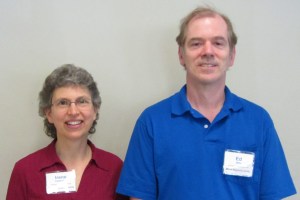
Irene Pasternack & Ed Mills - Feldenkrais Practitioners - close crop

Irene Pasternack & Ed Mills
Guild Certified Feldenkrais Practitioners

Our goal in teaching is to explore the question:
“What would life be like if I could move more easily…?”
This is more than a physical question:
as movement choices expand,

so do options in each moment.

More about Irene and Ed and their teaching philosophy: www.movebeyondlimits.com/aboutus.htm

 *******

Presentation information is not meant to be taken as medical advice.

Presentations posted online may include discussion notes, links, images, and other information added by Seattle Dizzy Group.

Download Presentation Handout PDF (original without notes):  www.facebook.com/groups/SeattleDizzyGroup/files/

(Join the Seattle Dizzy Group closed/secret Facebook group to download the presentation.  Send us your email address for invitation to join our Facebook group).

*******
Posted by: seattledizzygroup | May 23, 2014

Tinnitus Awareness Week 2014

Tinnitus Awareness Week 2014 banner

May 18-24, 2014 is Tinnitus Awareness Week, an annual event coordinated by American Tinnitus Association (ATA) to raise public awareness and help develop resources to silence tinnitus. Tinnitus Awareness Week is traditionally held in May, which was designated as “National Better Hearing and Speech Month” by President Ronald Reagan in 1986.

Find out more about Tinnitus Awareness Week:  http://www.ata.org/TAW

What Is Tinnitus?

Tinnitus is the perception of sound in one or both ears or in the head where no external source is present (aka “ringing in the ears” or “head noise”). People with tinnitus describe hearing different sounds including ringing, hissing, static, crickets, screeching, whooshing, roaring, pulsing, ocean waves, buzzing, dial tones, even music. Tinnitus can be intermittent or constant-with single or multiple tones-and its perceived volume can range from subtle to shattering.

There are two types of tinnitus: Subjective tinnitus are sounds only you can hear. This is the most common type of tinnitus. Objective tinnitus are head or ear noises audible to other people as well as the patient. These sounds can be recorded using a sensitive microphone.

TINNITUS is pronounced either ti-NIGHT-us or TIN-i-tus. Both pronunciations are correct. The word is of Latin origin, meaning “to ring or tinkle like a bell.”

For more information about tinnitus, read this article from Tinnitus Today magazine.

How Many People Have Tinnitus?

As many as 1 in 5 people worldwide or about 50 million people in the United States experience tinnitus to some degree. About 16 million Americans have severe enough tinnitus to seek medical attention and about two million patients in the U.S. are so seriously debilitated that they cannot function on a “normal” day-to-day basis.

Noise is the leading cause of tinnitus and our world has gotten progressively noisier. Noise is in abundance not only in recreational situations like concerts and sporting events, but many face extreme noise on-the-job. Firefighters are one of the many emergency service personnel at risk for developing tinnitus.

You can learn more about at-risk populations and how to protect yourself from further noise damage, by reading about how loud is too loud.

What Causes Tinnitus?

The exact physiological cause or causes of tinnitus are not known. There are, however, several likely sources which are known to trigger or worsen tinnitus:

  • Noise exposure – Exposure to loud noises can damage and even destroy hair cells, called cilia, in the inner ear. Once damaged, these hair cells cannot be renewed or replaced.
  • Head and neck trauma – Physical trauma to the head and neck can induce tinnitus. Other symptoms include headaches, vertigo, and memory loss.
  • Certain disorders, such as hypo- or hyperthyroidism, Meniere’s Disease, Lyme disease, fibromyalgia, and thoracic outlet syndrome, can have tinnitus as a symptom. When tinnitus is a symptom of another disorder, treating the disorder can help alleviate the tinnitus.
  • Certain types of tumors
  • Wax build-up
  • Jaw misalignment
  • Cardiovascular disease
  • Ototoxicity – Some medications are ototoxic, that is, the medications are harmful or damaging to the ear. Other medications will produce tinnitus as a side effect without damaging the inner ear. Effects, which can depend on the dosage of the medication, can be temporary or permanent. Before taking any medication, make sure that your prescribing physician is aware of your tinnitus, and discuss alternative medications that may be available. To learn more visit: ATA.org/resources#ototoxic
  • Pulsatile tinnitus – Rare type of tinnitus that sounds like a rhythmic pulsing in the ear, typically in time with one’s heartbeat. This kind of tinnitus can be caused by abnormal blood flow in arteries or veins close to the inner ear, brain tumors or irregularities in brain structure.

Does Tinnitus Cause Hearing Loss?

No, tinnitus is a symptom and not a disease. Many people commonly confuse tinnitus as being the cause or underlying condition. Hearing loss is either conductive (problem with outer or middle ear) or sensori-neural (problem with inner ear) and classified by different categories: mild, moderate, severe, and profound. Hearing loss is a complex process and due to the personal and unique nature of each tinnitus condition, proper evaluation and specialized treatment is necessary. However, in many cases tinnitus accompanies hearing loss. Because hearing loss can be caused by noise damage to the ear, an individual can get both hearing loss and tinnitus from noise damage, but the two do not always occur together. There are many people who have no measurable hearing loss but have tinnitus.

Can Anything Be Done To Treat and Manage Tinnitus?

There currently is no cure for tinnitus, but tinnitus can often be managed by treating the underlying cause or by altering reactions to it. One of the most effective treatments for tinnitus patients is called sound therapy. Treatment outcomes vary depending on the specific cause of tinnitus, how long a patient has had tinnitus, and other competing health factors.  ATA offers many additional tinnitus management strategies for sufferers. However, these options do not work for everyone and do not work to the same degree for each individual patient. It is important to discuss your particular tinnitus situation with a qualified health professional.


Tinnitus information from:

http://www.ata.org/for-patients/about-tinnitus

http://www.ata.org/for-patients/faqs

http://www.ata.org/for-patients/treatment

Posted by: seattledizzygroup | April 30, 2014

Staying Grounded in an Unstable World

Bastyr Mindfulness Meditation Photo

Staying Grounded in an Unstable World:

A Meditative Approach to Coping

with Chronic Dizziness & Imbalance

by Maeghan Culver, ND

of Bastyr Center for Natural Health

(Presented to Seattle Dizzy Group on 4/12/14)

Beginning with the roots of Naturopathic Medicine, this presentation explores the mental, emotional, and spiritual components of living with chronic vestibular illness and how meditative practices can help manage stress and improve mood and quality of life.

As we go through our day, we all face challenges in remaining rooted in reality. It may be as simple as getting caught up in a list of things to do or as severe as having your world slip and spin and twirl. No matter the cause, when we lose touch with our grounding it is easy for what is important to us to get lost. By practicing mindfulness and meditation we begin to reorient our lives and find that when things do go off track we are able to gain good footing a little easier and a little quicker. Below are some simple exercises to start with.

All Meditation generally starts the same:

  1. Get into a comfortable position. Allow your eyes to gently close.
  2. Take a few deep breaths and allow your mind’s focus to come into your body.
  3. Notice the weight of your body–on the chair, on the floor, etc.
  4. Notice the moving of your belly as you breathe in and as you breathe out.

BREATH TRACKING: 6 Breaths Per Minute

By changing our breath we can affect our heart, our brain, and essentially every cell in our body through improved oxygenation. Deep breathing helps take us out of a “fight or flight” response and change our perception of reality from stressed to a calmer “rest and digest” state. Breathing exercises can also improve mental clarity and reduce brain fog.

For this exercise you will need a watch to time your breaths. Breathe through either your nose or your mouth, whatever feels comfortable to you. To change your perspective and improve your mood through this exercise, try mindfully breathing in “peace” or “calm” or other positives and breathing out “stress” or other negatives. Without forcing yourself to breathe too deeply, begin to time your inhalation and exhalation. Notice how long you are breathing in and then how long you breathe out. Gradually extend the breath, working your way up to 5 seconds in and 5 seconds out. Continue to do this breathing, not forcing it, but relaxing into it for 5-10 minutes.

UMBILICAL CORD

This exercise is designed to create a tether or anchor from your mind down into the Earth. This is particularly helpful for those of us who tend to have our heads up in the clouds.

While continuing to breathe slowly and easily, envision a cord extending down from your spine.  It can be a rope or a wire, a band of light or even roots. Allow this cord to extend down from the base of your tailbone and travel down through whatever building you may be in, through the foundation, and down into the ground. Imagine the rocks and water, the layers of sediment and the fossils as your chord continues to travel down further and further. Eventually it will come to the core of the Earth. In whatever way seems best to you, allow your cord to become anchored or tethered to the center of the Earth.

Once you are really rooted to the Earth, imagine light or energy coming up from the center of the Earth, flowing up your cord and filling your body with its energy and vitality. Allow this flow of light/energy to continue for as long as you like. Once you are ready, bring your awareness back to your body, to your breath, the movement of your belly in and out. When you are ready, open your eyes, knowing that you are still connected to the Earth.

BODY SCAN

This technique can be used to help alleviate body tension and general anxiety. While you can do this exercise sitting, it works better lying down. Try doing this technique right before bed to help you fall asleep.

After grounding in your breath, without judgement or a need to change anything, bring your awareness to your feet. Notice the weight of them. Are there any places that you are holding tension? What are the sensations of this area? Now imagine they begin to feel heavy. Imagining them sinking or disappearing may help. Give yourself permission to relax and let go of tension. Now bring your awareness to your legs. Briefly note the sensations here and then proceed to imagine them becoming heavy/sinking/disappearing.

Continue to use this process on the rest of your body, going to the thighs, the pelvis, the belly, the chest, your shoulders and arms, ending with your neck and head. Spend more time on parts of the body where you hold the most tension. To recognize muscle tension and achieve greater relaxation, you might try briefly flexing or clenching your muscles before relaxing muscles. To relax your neck, face, and jaw muscles, try yawning.

If you use this relaxation technique at night, you may find that you fall asleep before completing a scan of your entire body. After you have gone through a scan of your entire body, take a few deep breaths and enjoy this state of relaxation. When you are ready, allow yourself to become more aware of the space around you, wiggle your fingers and toes, and open your eyes.

For a guided body scan meditation, try using the “Relaxation” program of the Mindfulness Meditation app by Mental Workout Inc.: http://www.mentalworkout.com/store/programs/mindfulness-meditation/

GOLDEN PROTECTION

For those times when we know we will face challenging situations or difficult people, using this tool can help us to feel protected and better able to express our most authentic self.

While remaining grounded in your breath, imagine a big golden container above your head. This can be any kind of container–a bowl or goblet, even an egg. This container holds a glowing golden liquid. Imagine the container tipping so the golden liquid slowly spills over the edge and begins to cover you. It starts at the crown of your head and begins enveloping your entire body. The golden liquid keeps pouring until there are no gaps, even wrapping around the bottom of your feet. This liquid is light as a feather but strong as steel.

As you breathe in this space of golden protection, state an affirmation around good boundaries and safety. For instance, “l am safe in my body and able to freely express myself.” Or, create an affirmation specific to the challenge you are facing such as, “When I speak with my boss I can freely voice my opinions.” As you state this, imagine the power of it going through the golden liquid and fortifying it. Use this meditation technique to positively reassure yourself and gain confidence. If you are a “people pleaser” use the imagery of golden protection to give yourself permission to create a safe space where you can be authentic and take care of yourself. If you are a spiritual person, you might imagine that the golden protection comes from a higher power.

You can remain in this imagery as long as you like and create as many affirmations as you like. When you are ready, allow your focus to return to the breath and open your eyes. Anytime you start feeling stressed or challenged, restate your affirmation and remember the feelings of being safe and protected.

Meditation Tips:

Find what meditation techniques work best for you. Bring yourself into the present (refocus your thoughts out of the past or the future into the now). Try to focus on positive thoughts rather than negative thoughts, and consider what is working in your life rather than what you feel is not working in your life. In this way you can improve your perspective and emotions, enter a more peaceful and calm state, and gain a sense of having more control and self-confidence. If your mind wanders while meditating, don’t stress, just refocus and keep meditating. With practice, you will be able to train your mind and body to relax more deeply and refocus quickly from distractions.

For more information about meditation, read Wherever You Go, There You Are: Mindfulness Meditation in Everyday Life and other mindfulness books by Jon Kabat-Zinn.


Maeghan Culver NDMaeghan Culver, ND

of Bastyr Center for Natural Health

Dr. Culver is a first-year clinical resident at Bastyr Center for Natural Health, where she supervises student physicians in the Department of Naturopathic Medicine. She also sees patients in private practice in Practitioner Care at Bastyr Center.

Dr. Culver is interested in being a catalyst for your healing by supporting a healthy lifestyle, encouraging optimal function with techniques such as craniosacral therapy and hydrotherapy, and utilizing specifically targeted nutritional, botanical, and homeopathic prescriptions.

Dr. Culver helps to educate her patients about their human body and empowers them to engage in their own healing process. She works with patients of all ages and has special interest in chronic pain, autoimmune disease and weight management.

Dr. Culver believes that the human body is capable of amazing things if only we listen to and support its needs. Each person is unique in body, mind and spirit, and by tuning into this we can ignite the spark of healing.

Education & Affiliations:
  • BS in General Science and Sociology from the University of Oregon in 2007
  • Became a licensed massage therapist in 2010 through the Belleview Massage School
  • Doctor of Naturopathic Medicine from Bastyr University in 2013
  • Member of the American Association of Naturopathic Physicians

More information about Dr. Culver:  http://bastyrcenter.org/content/view/2747

Watch Dr. Culver’s video presentation “Dealing with Depression Naturally.”

Meditation Image from: http://www.bastyr.edu/

 *******

Presentation information is not meant to be taken as medical advice.

Presentations posted online may include discussion notes, links, images, and other information added by Seattle Dizzy Group.

Download Presentation Handout PDF (original without notes):  www.facebook.com/groups/SeattleDizzyGroup/files/

(Join the Seattle Dizzy Group closed/secret Facebook group to download the presentation.  Send us your email address for invitation to join our Facebook group).

*******

Posted by: seattledizzygroup | March 8, 2014

Healthy Sleep Tips

Sleep-awareness-week-2014 logo

March 2-9, 2014 is Sleep Awareness Week!  This annual campaign by the National Sleep Foundation promotes the importance of sleep for better quality of life.

Sleep is as important as diet and exercise for good health. Without sleep, we tend to exercise less, eat more, and function at less than our best.

Healthy sleep habits can make a big difference in your quality of life.

Try these tips for good “sleep hygiene”:

Healthy Sleep Tips

 Strive to keep the following sleep practices on a consistent basis:

1.  Stick to the same bedtime and wake up time, even on the weekends.

This helps to regulate your body’s clock and could help you fall asleep and stay asleep for the night.

2.  Practice a relaxing bedtime ritual.

A relaxing, routine activity right before bedtime conducted away from bright lights helps separate your sleep time from activities that can cause excitement, stress or anxiety which can make it more difficult to fall asleep, get sound and deep sleep or remain asleep.

3.  Avoid naps, especially in the afternoon.

Power napping may help you get through the day, but if you find that you can’t fall asleep at bedtime, eliminating even short catnaps may help.

4.  Exercise daily.

Vigorous exercise is best, but even light exercise is better than no activity. Exercise at any time of day, but not at the expense of your sleep.

5.  Evaluate your room.

Design your sleep environment to establish the conditions you need for sleep. Your bedroom should be cool – between 60 and 67 degrees. Your bedroom should also be free from any noise that can disturb your sleep. Finally, your bedroom should be free from any light. Check your room for noises or other distractions. This includes a bed partner’s sleep disruptions such as snoring. Consider using blackout curtains, eye shades, ear plugs, “white noise” machines, humidifiers, fans, and other devices.

6.  Sleep on a comfortable mattress and pillows.

Make sure your mattress is comfortable and supportive. The one you have been using for years may have exceeded its life expectancy – about 9 or 10 years for most good quality mattresses. Have comfortable pillows and make the room attractive and inviting for sleep but also free of allergens that might affect you and objects that might cause you to slip or fall if you have to get up during the night.

7.  Use bright light to help manage your circadian rhythms.

Avoid bright light in the evening and expose yourself to sunlight in the morning. This will keep your circadian rhythms in check.

8.  Avoid alcohol, caffeine, cigarettes, and heavy meals in the evening.

Alcohol, cigarettes and caffeine can disrupt sleep. Eating big or spicy meals can cause discomfort from indigestion that can make it hard to sleep. It is good to finish eating at least 2-3 hours before bedtime.

9.  Wind down. Your body needs time to shift into sleep mode, so spend the last hour before bed doing a calming activity such as reading.

For some people, using an electronic device such as a laptop can make it hard to fall asleep, because the particular type of light emanating from the screens of these devices is activating to the brain. If you have trouble sleeping, avoid electronics before bed or in the middle of the night.

10.  If you can’t sleep, go into another room and do something relaxing until you feel tired.

It is best to take work materials, computers, and televisions out of the sleeping environment. Use your bed only for sleep and sex to strengthen the association between bed and sleep. If you associate a particular activity or item with anxiety about sleeping, omit it from your bedtime routine.

If you are still having trouble sleeping, don’t hesitate to speak with your doctor or to find a sleep professional.

You may also benefit from recording your sleep in a Sleep Diary to help you better evaluate common patterns or issues you may see with your sleep or sleeping habits.

From: http://sleepfoundation.org/sleep-tools-tips/healthy-sleep-tips

Posted by: seattledizzygroup | February 28, 2014

Rare Disease Day 2014

rdd-email-banner

Alone We Are Rare.  Together We Are Strong.

Today, February 28th, is Rare Disease Day!

This year the theme is “Join Together for Better Care.”

Find out how you can get involved and help raise awareness for rare diseases.  www.rarediseaseday.org

About Rare Disease Day

Rare Disease Day is an international advocacy day to bring widespread recognition of rare diseases as a global health challenge. The day is celebrated on the last day of February every year.

Learn more about Rare Disease Day: www.rarediseaseday.us/about/

Take Action Now!

There are many ways you can get involved this Rare Disease Day.

http://rarediseaseday.us/take-action-now/

Tell Your Representatives That You Care About Rare Diseases

If rare disease issues are important to you, ask your elected officials to join us in celebrating Rare Disease Day.

http://salsa3.salsalabs.com/o/51076/p/dia/action3/common/public/?action_KEY=13145

Raise Your Hand For Rare Disease Research

Visit the webpage (below) and click the link to donate $1.  Lundbeck (a global pharmaceutical company) will donate $1.00 towards rare disease research for each click. Once we reach 10,000 clicks, Lundbeck will donate $10,000.

http://rarediseaseday.us/raise-your-hand/

Rare Disease Day 2014 Official Video

http://www.rarediseaseday.org/article/rare-disease-day-2014-official-video

National Organization for Rare Disorders (NORD)

The National Organization for Rare Disorders (NORD) provides advocacy, education and other services to improve the lives of all people affected by rare diseases.

https://rarediseases.org/

RDD world

Posted by: seattledizzygroup | February 26, 2014

Food and Mood

Marley Braun plums photo from blog

Food & Mood: Top Foods for Feeling Great

by Marley Braun, MS, RD, CD

Founder of Beauty Brains & Braun Nutrition

(Presented to Seattle Dizzy Group on 2/08/14)

Discover what foods have the best mood-boosting properties and how you can incorporate these foods into your diet.  Also, learn tips to enhance emotional health, including how to combat an anxiety attack and how to manage stress as well as why sleep is important and how to get a good night’s rest.

Suffering from anxiety attacks? Try Magnesium!

Magnesium (Mg) deficiency can lead to feelings of anxiety, low energy, and irritability.

Magnesium is calming for the body and also helps with muscle cramps.

Magnesium can be absorbed through the skin.  Try soaking in Epson salts, which contain Magnesium: Place feet in a tub or basin filled with hot water (or take a hot bath). When skin is warm and pink, add cup of Epson salts. Soak for at least 15-30 minutes – ideally before bedtime – resting afterward is important. For maximum results, do 3 times per week. (Of course, if anxiety is a persistent or serious problem, please consult a doctor or therapist – this at-home remedy is not meant to take the place of professional treatment!).

  • Recommended Daily Allowance = 420 mg/day (men over 30) and 320 mg/day (women over 30)
  • Magnesium-Rich Foods
    o  Pumpkin seeds (1/4 cup = 190mg)
    o  Spinach (1 cup = 156mg)
    o  Swiss chard (1 cup = 150mg)
    o  Black beans (1 cup = 120mg)

    o  Quinoa (3/4 cup = 118mg)

(For more info about magnesium-rich foods, see “Feeling Anxious?  Try Pumpkin Seeds” blog post:  http://www.3bnutrition.com/1/archives/02-2013/1.html)

Tips for Sleep Hygiene, Stress, Exercise, and Exposure to Nature & Light

  • Avoid napping, stimulants (chocolate, nicotine, caffeine, alcohol), heavy or large meals close to bedtime, or screen time (computers, TVs) close to bedtime.
  • Establish a regular bedtime routine that is pleasant and relaxing.
  • Use sleep aids like blackout curtains, sleep mask, ear plugs, white noise machines (or fan), melatonin (low dose supplement), etc.
  • Exercise often – vigorously in the morning or afternoon and restful activities in the evening.
  • Aim for at least 2 outdoor excursions/week where you are exposed to nature.
  • Get plenty of NATURAL light (open curtains and blinds) or use a light therapy box (30 minutes/day of 10,000 lux light – Start with 10 minutes and increase gradually as body tolerates).  Light therapy boxes may help with Seasonal Affective Disorder (SAD), general depression, and bipolar disorder.
  • Explore: mindfulness-based stress reduction, yoga, Pilates, massage, feldenkrais, biofeedback, acupuncture, meditation, etc.

Information courtesy: Dietitians in Functional Medicine; www.WHfood.com; www.sleepfoundation.org; Ellis JG, Perlis ML, Bastien CH, Gardani M, Espie CA. The Natural History of Insomnia: Acute Insomnia and First-onset Depression. Sleep. 2014 Jan 1;37(1):97-106. Niederhofer, H., & von Klitzing, K. (2012). Bright light treatment as mono-therapy of non- seasonal depression for 28 adolescents. Int J Psychiatry Clin Pract., 16(3), 233–237.

Food First!

Protein

  • Proteins serve as precursors to neurotransmitters – namely serotonin, dopamine, and norepinephrine – which are responsible for feelings of wellbeing and motivation as well as relaxation.
  • Protein also helps to support balanced blood sugar and sustained energy – have an appropriate serving size of protein with EVERY MEAL (not just multiple servings at dinner).
  • Protein in the morning will help curb afternoon snacking.  More carbohydrates at night will help promote sleep.  (A low-carb diet often causes sleep issues).
  • Best biologically available sources: eggs, meat, fish, poultry
  • Sources for vegetarians/vegans: tempeh, beans/rice, quinoa, lentils
  • Complete proteins:  eggs, or food combos such as popcorn/peanuts, beans/rice, quinoa/lentils
  • Protein bars?  Often have high sugar content, so look for bars with nuts for higher protein (for example, Lara Bars).

Cold Water Fatty Fish

  • Contains EPA & DHA, long-chain omega-3 fatty acids, which are fundamental nutrients for brain cells.
  • Neurotransmitters travel via myelin sheathes, and the speed at which they travel is increased by EPA & DHA.
  • Best biologically available sources: wild salmon, sardines, anchovies, mackerel, grass-fed beef, pastured butter
  • Sources for vegetarians/vegans: flax & chia seeds (must be ground), walnuts, algae (pill form)
  • Food is best.  There is an additional anti-inflammatory benefit of eating fish over taking a supplement.

Seeds & Greens

  • Magnesium (Mg) and B-vitamins are used to make neurotransmitters – stress can deplete magnesium.
  • Sources: sesame seeds, pumpkin seeds, asparagus, kale, Brussels sprouts
  • Cooking Tips: Toast seeds and sprinkle on salads, vegetables or eat as a snack; Roast vegetables to bring out their natural sweetness; Massage hearty greens, like kale and chard, to reduce bitterness and breakdown fibers – eat as a raw salad.  To roast vegetables, sprinkle with oil (olive or grape seed, etc.) and roast at 375 degrees for 25-35 minutes.  To massage greens, add 1 tsp. salt and massage for 2 minutes then pour off the water which contains the bitterness.  For low-salt diet, sprinkle with lemon juice or apple cider vinegar instead of salt.

Fermented Foods

  • The majority of neurotransmitters (70-80%) and 3.5 to 5 pounds of bacteria reside in the gut – both beneficial AND opportunistic – their balance is important.
  • For best health, good gut bacteria should be in control.  Avoid sugar and refined carbs which can increase bad gut bacteria.  If bad gut bacteria is in control, you may develop health conditions such as Small Intestinal Bacterial Overgrowth (SIBO) which is also associated with stress and anxiety.
  • For more information about gut bacteria, see the book “The Second Brain: A Groundbreaking New Understanding of Nervous Disorders of the Stomach and Intestine” by Michael Gershon.
  • Throughout history probiotic foods were used to support gut bacteria balance.
  • Sources: kefir (drinkable yogurt), kombucha (tea), Kim chi, sauerkraut, pickles
  • You need live bacteria for health benefits, so buy fermented foods only in the refrigerated sections of the grocery store.
Save money on supplements & other health/wellness products

Real food is the best way to reach your nutrition goals, but sometimes a little extra help is needed.  Marley Braun offers her patients and friends a 10% discount at Emerson Ecologics on any and all orders.  Visit www.3bnutrition.com & click on LINKS.  Click on the logo and enter patient access code diet4u and postal code 98107.


Marley Braun picture

Marley Braun, MS, RD, CD

of Beauty Brains & Braun Nutrition

Registered Dietitian, Marley Braun, obtained her Master of Science in Nutrition from Bastyr University and is founder of Beauty Brains and Braun Nutrition. She sees clients at Ballard Natural Medicine and most insurance is accepted. Her approach focuses on whole natural foods, culinary techniques and mindful eating. No matter what your health goals, Marley believes every meal provides an opportunity to feel better. To make an appointment call (206) 632-2154.

Website: www.3bnutrition.com

Blog: www.3bnutrition.com/blog.html

Facebook Page:  www.facebook.com/BeautyBrainsBraunNutrition

Email: 3bnutrition@gmail.com

Also check out Marley Braun’s presentation on Nutrition Fundamentals.

Plums photo from: www.3bnutrition.com/1/post/2012/09/plums-probiotics.html

*******

Presentation information is not meant to be taken as medical advice.

Presentations posted online may include discussion notes, links, and other information added by Seattle Dizzy Group.

Download Presentation Handout PDF (original without notes):  www.facebook.com/groups/SeattleDizzyGroup/files/

(Join the Seattle Dizzy Group closed/secret Facebook group to download the presentation.  Send us your email address for invitation to join our Facebook group).

*******

Posted by: seattledizzygroup | February 6, 2014

Nutrition Fundamentals

Marley Braun food photo from blog

Nutrition Fundamentals

by Marley Braun, MS, RD, CD

Founder of Beauty Brains & Braun Nutrition

(Presented to Seattle Dizzy Group on 11/03/12)

Learn about the benefits of whole foods, ideas for easy nutritious meals, and tips on supplement use.

Health Implications

Chronic Disease

Predispositions for certain diseases may be inherited.  The presence (or lack) of nutrients in the diet can act like a switch – preventing or promoting gene expression.  (Nian et al., 2009)

Aging & Neurology

High fat & sugar/glycemic index diet led to increases in biomarkers – beta amyloid proteins in the brain – and cognitive impairments characteristic of dementia & Alzheimer’s Disease.  (Craft et al., 2011)

Mood

Processed foods increased anxiety, while better quality diets were associated with less depression.  (Jacka et al., 2011)

Dizziness

Caffeine & alcohol may impair mechanisms in the inner ear that maintain balance.  (Brookler et al., 1995)

Migraines & Vertigo

Elimination of foods and additives substantially improved symptoms.  (Johnson, 1998)

Diet & Nutrition Tips

Minimize Processed Food/Packaging

•  Adulterated to increase shelf life

•  High in fat, salt, and sugar

• Articial flavors/colors to increase consumption (“The Flavorists” 60 Minutes)

•  Obesogens:  BPA, High Fructose Corn Syrup, pesticides, PFOA (“What’s Making Us Fat” The Atlantic)

Focus on Real Food

•  One ingredient – itself

•  Minimally processed – resembles how it was grown or raised

•  General Rule:  Less than 5 ingredients

•  Ingredients are pronounceable & identifiable

Load up on Vegetables

•  7-10 servings recommended (serving = 1 cup raw or 1/2 cup cooked)

•  Whole form provides increased fiber

•  Aim for variety – colors have different roles:  red heart health, orange/yellow – eyesight, white –immune system, blue/purple & green – cancer prevention

Choose Whole Grains Over Refined

Whole wheat flour is refined into allpurpose flour and brown rice is polished into white rice.

Refining removes fiber and nutrients as well as fat – preventing rancidity (so store whole grains in the freezer!).

Complex Carbohydrates

•  Whole grains, nuts & seeds, vegetables

•  Digested slowly

•  Provides sustained energy

Refined Carbohydrates

•  Pastries, anything made with white flour, candy, pasta, soda, alcohol

•  Digested quickly

•  Provides surge of energy & then crash later

Know Your Fats

Fat makes up 2/3 of the human brain & promotes cell communication.

Trans fats = hard, stiff cells, impaired brain function (they also decrease HDL & increase LDL).

A product that has LESS THAN 0.5 grams of trans fat per serving can advertise “No Trans Fats” & 0.0 grams.

Check the ingredient list for “hydrogenated” – this means the product has TRANS FATS.

Healthy fats:

•  Positively affect lipids (for example, raise HDL)

•  Promote emotional balance (ω3)

•  Are not oxidized (left out to go rancid or heated at too high of a temperature)

Sources: avocado, olives, coconut, cold-water fatty fish, flax seed, walnuts, olive oil

Don’t Forget Protein

•  Supports stable mood & promotes satiety

•  At breakfast, it prevents overeating later in the day

•  Go for leaner cuts:  poultry, pork, salmon, beef – flant steak, tenderloin, sirloin, round roast

•  Make use of vegetarian sources:  nuts & nut butters, beans, quinoa

Breakfast: It’s the most important meal – why?

Cells receive important information from food and fasting (overnight) or starving (prolonged fasting):

•  Increase the hormone called cortisol, which leads to STRESS

•  Increase the body’s insulin response, which leads to FAT STORAGE

Research suggests that people who skip breakfast are overweight, stressed out, lack energy & have poor sleep.

A balanced breakfast reduced total amount of food eaten in a day, decreased snacking & increased metabolism.

Balance Blood Sugar

Balanced meals (refer to Healthy Eating Plate below)

Eat at regular intervals – every 3-4 hours – don’t skip meals

Reduce overall sugar & refined CHO intake

Choose foods that have “no added sugar”

Drink water, not soda and stop juice abuse

Is Diet Soda OK?  1 diet soda/day increases likeliness of having a vascular event by 43% (Gardener et al., 2012); Calorie free items confuse the brain into craving more sugar (Senay et al., 2009); Potentially damages gut flora (Pepino & Bourne, 2011).

Marley Braun presentation Healthy Eating Plate

Sleep, Hormones & Weight Management

Low–calorie diet with restricted sleep (5.5 hours) resulted in 55% less fat loss and more hunger than low-calorie diet with sufficient sleep (8.5 hours).  (Nedeltcheva et al., 2010)

Sleep deprivation:

•  Lowers leptin, a hormone released from fat cells that signals the brain to turn off hunger; this influences thyroid function, reducing metabolism

•  Increases ghelin, a hormone produced by the stomach lining that stimulates appetite

•  Increases cortisol, increasing carbohydrate/sugar craving and upsetting insulin production, which can promote weight gain

Quick & Healthy Meals

Shop and prepare meals for the week on days you are feeling good and you have time – make a large pot of oatmeal, brown rice or quinoa, pre-cook meat, wash & cut vegetables and make soup, stew, meatloaf and casseroles.

Use a crock pot or slow cooker to cook meat and vegetables to develop flavor without hassle.

Try frozen entrees – they prevent overeating because they provide a boundary – they tend to be high in sodium and fat so check labels – Amy’s is one of the better brands.

Meal Ideas

http://www.nourishingmeals.com/

Our Editorial Standards

Supplements

Real food is the best way to reach your nutrition goals, but sometimes a little extra help is needed. These supplements may be beneficial for some individuals:

Vitamin D3 promotes bone health

Fish Oil – may promote heart health and emotional balance

Probiotics – may improve digestion, enhance immunity & promote weight management

Digestive Enzymes – facilitate absorption of macro and micronutrients

Save money on supplements & other health/wellness products

Marley offers her patients and friends a 10% discount at Emerson Ecologics on any and all orders.  Visit www.3bnutrition.com & click on LINKS.  Click on the logo and enter patient access code diet4u and postal code 98107 for access.

Download Presentation PDF (includes additional graphics):  www.facebook.com/groups/SeattleDizzyGroup/files/

(Join the Seattle Dizzy Group closed/secret Facebook group to download the presentation.  Send us your email address for invitation to join our Facebook group).

Marley Braun picture

Marley Braun, MS, RD, CD

of Beauty Brains & Braun Nutrition

Registered Dietitian, Marley Braun, obtained a Master of Science in Nutrition from Bastyr University and completed dietetic rotations through Sea Mar Community Health Centers, where she counseled patients with conditions including irritable bowel disease, obesity, diabetes, kidney disease, cancer and metabolic syndrome. Marley founded Beauty Brains & Braun Nutrition, where she promotes overall health and wellness with natural whole foods, culinary techniques and mindful eating.

Website: www.3bnutrition.com

Blog: www.3bnutrition.com/blog.html

Facebook Page:  www.facebook.com/BeautyBrainsBraunNutrition

Email: 3bnutrition@gmail.com

Pesto & Zucchini Pasta Photo from: www.3bnutrition.com/1/archives/09-2012/1.html 

*******

Presentation information is not meant to be taken as medical advice.

Presentations posted online may include discussion notes, links, and other information added by Seattle Dizzy Group.

Download Presentation Handout PDF (original without notes):  www.facebook.com/groups/SeattleDizzyGroup/files/

(Join the Seattle Dizzy Group closed/secret Facebook group to download the presentation.  Send us your email address for invitation to join our Facebook group).

*******

Posted by: seattledizzygroup | January 31, 2014

Living with a “New Normal” in the New Year

healthy-new-year

How to Start the New Year in a Healthy Way with a Chronic Illness

For people living with a chronic vestibular or balance disorder, the month of January is often a time of recovery from the busy December holiday season.  Take adequate time to rest and rejuvenate, and when you are ready to embrace the New Year, pace yourself and make sure any expectations or goals you have are reasonable and attainable in light of the challenges of living with a “new normal” of chronic dizziness and imbalance.  These articles offer practical suggestions for starting the New Year in a healthy way with a chronic illness:

6 Reasons the Chronically Ill Should Shun Making Resolutions
My New Year’s Wishes for the Chronically Ill
New Year, New You: Tips for Better Health
Making New Year’s Goals That Stick


© Copyright 2014, Seattle Dizzy Group. All rights reserved.

Post Updated January 2017

Posted by: seattledizzygroup | January 31, 2014

New Year News

2013 Highlights & Another Great Year Ahead in 2014

January is a time of reflecting on experiences from the past year & considering possibilities for the year ahead.

Seattle Dizzy Group had an amazing 2013 with many exciting changes and accomplishments & 2014 promises to be another great year!

2013 Highlights

  • In April, we relocated to a neutral meeting space (Green Lake Library) so that all local balance clinics and vestibular care providers may feel equally comfortable referring patients to Seattle Dizzy Group.  We are really enjoying our new meeting location!
  • At our May meeting, we were joined by the new development director of the Vestibular Disorders Association (VEDA) who came to find out about how Seattle Dizzy Group celebrates Balance Awareness Week, including our annual Balance Awareness Walk which we started in 2011.  Seattle Dizzy Group served as an inspiration and model for expanded Balance Awareness Week events across the nation, and there were at least three new Balance Awareness Walks in other cities in 2013.
  • In September, we hosted an event in honor of Balance Awareness Week with a walk, lunch, and special guest speaker.  We had a great time at our Walk for Balance around Green Lake and everyone who participated was very enthusiastic about raising awareness for vestibular/balance disorders.  To create interest, we carried balloons, wore Walk for Balance badge stickers, and sported BALANCE wristbands and our newly designed Seattle Dizzy Group logo t-shirts (for additional designs, check out our shop at www.cafepress.com/seattledizzygroup). After the walk, we enjoyed lunch and a presentation about vestibular rehabilitation from Julie Grove, MPT of Cascade Dizziness and Balance PT.  It was an exciting day that hopefully helped to build momentum for the cause.  We received very positive feedback from participants, and we are already looking forward to Balance Awareness Week 2014.
  • During Balance Awareness Week, the Seattle Dizzy Group event was also mentioned in a King5 news article featuring Julie Grove MPT and the unique balance training environment she offers at her clinic.
  • In October 2013, we celebrated 7 years together as a support group!
  • The Seattle Dizzy Group website and online services were greatly expanded in 2013.  In addition to having a website blog and Facebook page and group, we are now on Twitter, and we also have a MeetUp Group (where members can connect, receive group updates, and RSVP for upcoming meetings and activities).
  • Additionally, Seattle Dizzy Group founder/owner/director Cheryl Rowe kept quite busy in 2013 supporting the vestibular community through service and advocacy efforts. She consulted pro bono for VEDA as a member of the committee which developed and recently launched their support group network, and she generously shared with VEDA materials originally developed for Seattle Dizzy Group to be used as a template by new vestibular support groups.  She also submitted to the Social Security Administration comments regarding revising the medical criteria for evaluating vestibular and balance disorders, which will hopefully lead to more people with chronic vestibular and balance disorders being properly and expeditiously approved for disability benefits. (View comments to SSA).

Another Great Year Ahead in 2014

We are excited for the year ahead and hope you will join us and help Seattle Dizzy Group continue to grow, provide much-needed community, and offer FREE support for people living with chronic dizziness and imbalance, in Seattle and beyond.  We plan to continue to expand online resources and we will continue to host monthly in-person support group meetings with at least 3-4 guest speakers on various topics in 2014.  (Our first guest speaker of 2014 will share with us on the topic of “Food and Mood” on Saturday, February 8th).  We hope to expand community outreach and involvement in 2014.  We will also continue to raise awareness about vestibular and balance disorders (including participating in Balance Awareness Week), and we will strive to increase advocacy efforts in 2014.

Seattle Dizzy Group is a self-supporting not-for-profit group that is organized by volunteers and funded through donations.   There are many ways to be involved with the group and we invite members to share their gifts and abilities with us.  We especially appreciate help with meetings and activities (including being a greeter, helping with room set-up and take-down, providing snacks, providing transportation, or hosting a meet-up opportunity, etc.).   If you are interested in helping with the group in any way, please be sure to let us know (email: info@seattledizzygroup.org).

Please consider supporting Seattle Dizzy Group with a donation.

(Any donation amount is appreciated!).

Ways your financial gift helps Seattle Dizzy Group:
  • Providing materials, supplies, and snacks for monthly support group meetings.  (Each meeting costs about $25 to host).
  • Providing thank you gifts for guest speakers. (As funds allow, we strive to honor speakers with a thank you gift of up to about $25 value).
  • Providing administrative support, online services/resources, and website hosting, etc.  (Administrative and online costs are about $200 annually).
  • Providing funding for Balance Awareness Week event(s) and other group activities.  (Costs may be about $50-$100 or more depending on activity).
***************************************************
To give Seattle Dizzy Group a donation of any amount by credit card or PayPal, click the “Donate” button below.

Or, send us a donation directly from your PayPal account to our group email address: info@SeattleDizzyGroup.org

PayPal Donate

Gifts to Seattle Dizzy Group are not tax deductible.

THANK YOU for your support!

***************************************************

© Copyright 2012-2014, Seattle Dizzy Group. All rights reserved.

« Newer Posts - Older Posts »

Categories

Seattle Dizzy Group

Providing support & community for people living with chronic dizziness & imbalance -- in Seattle & beyond