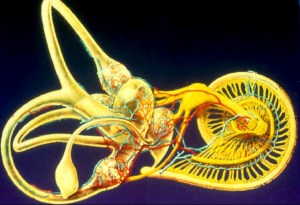
Posted by: seattledizzygroup | December 21, 2016

Winter Survival Strategies

Ways to Survive Winter with a Chronic Illness

Winter’s dark days and cold, wet weather can be especially challenging for those living with a chronic illness.  These articles offer strategies to survive and thrive during winter:

Seven Ways to Improve Your Winter Health

Natural Treatments for Seasonal Affective Disorder

Rain, Rain Go Away: Understand and Prevent Depression

Questions and Answers About Winter Depression

7 Ways to Be Happy When It Gets Dark Early

Six Strategies for Coping with The Blues

See also:

Holiday Tips

Tips for Surviving the Holidays with Joy and Peace

Living with a “New Normal” in the New Year


© Copyright 2016, Seattle Dizzy Group. All rights reserved.

Posted by: seattledizzygroup | November 11, 2016

Resources for Military and Veterans

Chronic Health Impacts of Military Service

Military personnel are exposed to unique circumstances that can put them at higher risk for certain types of inner ear, neurological, and hearing damage. Many veterans struggle with adjusting to a “new normal” of living with chronic balance dysfunction, migraines, and tinnitus, etc. as a result of injury (as from Traumatic Brain Injury). Soldiers diagnosed with PTSD may also have an underlying vestibular disorder.

Resources for Military Personnel & Veterans:

Military Resources: Vestibular Disorders Affect Soldiers & Veterans

Veterans Prone to Headaches

Veterans & Hearing Health

Veterans & Tinnitus


© Copyright 2016, Seattle Dizzy Group. All rights reserved.

Posted by: seattledizzygroup | October 2, 2016

Learn to See Invisible Illness

see-the-invisible-invisible-illness-awareness-week-2016

Take a Closer Look to See the “Invisible”

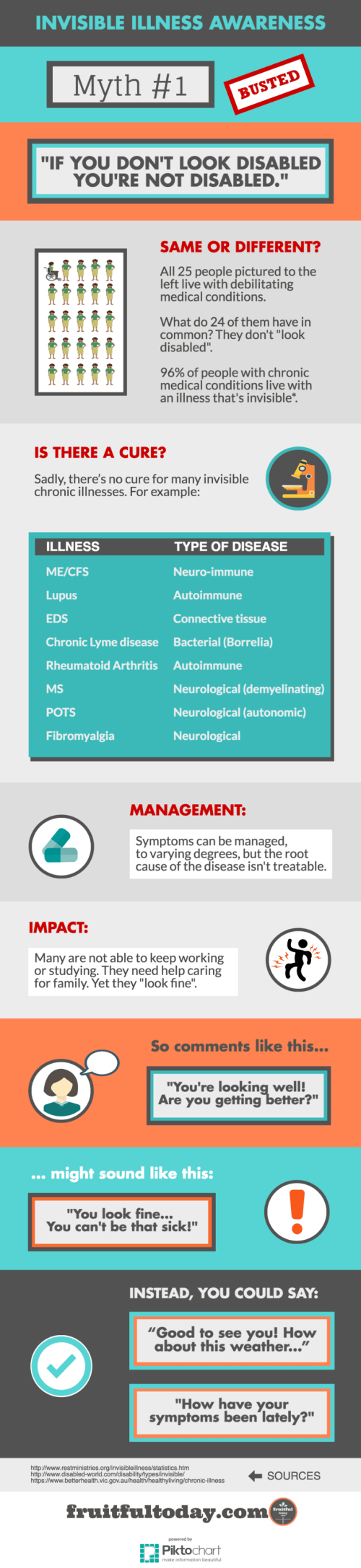
Nearly 50 percent of people are living with a chronic condition (which may not be obvious to others).  So, chances are either you or a loved one is struggling with an “invisible” illness yearning to be seen and understood.

While the impacts of chronic illness are not always easy to see, debilitating impairments are not actually “invisible” if you look closely enough.  We must learn to see the “invisible” if we are to better understand what it is really like to live with chronic illness. 

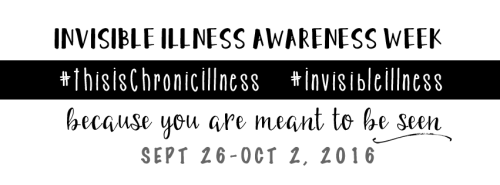
Invisible Illness Awareness Week is a great opportunity to help raise awareness and show your support for people living with chronic “invisible” illness (like vestibular and balance disorders).

Learn more:  www.invisibleillnessweek.com

See also:  Invisible Disabilities Week

invisible-illness-myth-infographic

More Info About Invisible Chronic Illness:

“But You Don’t Look Sick” Understanding Invisible Illness Infographic

Understanding Invisible Illness

Chronic Illness Facts

 15 Tips from 15 Years Sick

5 Life Lessons from 6 Years of Chronic Illness

5 Lessons I Have Learned Living with Chronic Illness

6 Things I’ve Learned Along the Way with Chronic Illness

8 Things You’ll Only Understand if You Have an Invisible Illness

Day-to-Day Tips and Essentials for Living with Chronic Illness & Strategies for Everyday Vestibular Challenges

17 Things Healthy People Need to Hear During Invisible Illness Awareness Week

5 Things the Chronically Ill Want “Healthy People” to Know

How to Be an Ally to Someone with an Invisible Illness

5 Important Things to Know if You Have a Chronically Ill Spouse

36 Easy Things That You Can Do To Make the Life of Your Chronically Ill Friend a Bit Better

Ways to Maintain Healthy Relationships & Social Activity Despite the Challenges of Living with Chronic Illness


© Copyright 2016, Seattle Dizzy Group. All rights reserved.


Posted by: seattledizzygroup | September 16, 2016

Celebrate Balance Awareness Week

September 12-18, 2016 is Balance Awareness Week!

The goal of the Vestibular Disorders Association (VEDA) for Balance Awareness Week is to “Defeat Dizziness” by reducing the time it takes to diagnose a vestibular disorder.  Find out how you can get involved at www.vestibular.org/baw.

Balance Awareness Week is a great opportunity to help raise awareness for vestibular and balance disorders and show your support for people living with chronic dizziness and imbalance.

The human balance system is complex, involving the inner ear, eyes, joints & muscles, and brain. When one part of the system is damaged by disease or injury debilitating dizziness and imbalance can result.

To learn more about vestibular and balance disorders, visit: www.vestibular.org

Balance Awareness Information to Share with Others:

Raise Balance Awareness

Balance Awareness Facts, Figures & Trivia

A Balancing Act: Improving Balance and Preventing Falls

Celebrate Balance Awareness Week with Us!


In celebration of Balance Awareness Week, Seattle Dizzy Group will host our Sixth Annual Walk for Balance Event on Saturday, September 17, 2016 (12-2:30 pm at Green Lake).  Join us for this fun community event where we will “Walk a Mile in Dizzy Shoes” together to help create greater awareness for vestibular and balance disorders and show our support for people living with chronic dizziness and imbalance–in Seattle and beyond.

Event details:  www.seattledizzygroup.org/walk-for-balance

(Also, see how we are Making a Difference for Balance Awareness) 


Walk for Balance TM

© Copyright 2016, Seattle Dizzy Group. All rights reserved.


Posted by: seattledizzygroup | August 31, 2016

Brain Fog Tips

Strategies for Coping With, Managing, and Overcoming Brain Fog

Adjusting to a “new normal” of living with chronic dizziness and imbalance includes addressing the challenges of cognitive impacts (such as mental fatigue, impaired concentration, and memory problems).  These articles offer helpful tips and strategies for coping with, managing, and overcoming the “brain fog” which often accompanies a vestibular or balance disorder:

Cognitive Aspects of Vestibular Disorders

Meniere’s Disease and the Battle of Brain Fog – Part 1 

Meniere’s Disease and the Battle of Brain Fog – Part 2

Meniere’s Disease and the Battle of Brain Fog – Part 3

Productivity Tricks for the Chronically Brain Fogged

Healthy Habits and Routines for Brain Fog and Chronic Illness

Migraine and Brain Fog Tips and Tricks

10 Ways to Reduce and Manage Brain Fog

10 Tips for Navigating Your Way Through Brain Fog

 Brain Fog Tips

© Copyright 2016, Seattle Dizzy Group. All rights reserved.

Posted by: seattledizzygroup | July 31, 2016

Mal de Débarquement Syndrome (MdDS)

Mal de Débarquement Syndrome (MdDs)

Travel adventures often cause temporary motion sickness, but in rare cases motion sickness may persist long after travels.

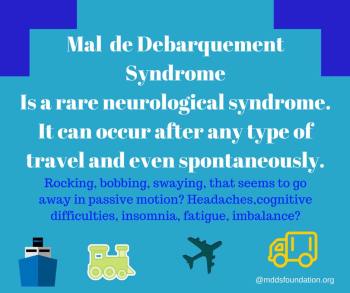
Mal de Débarquement Syndrome or Disembark­ment Sickness is a rare neurological disorder (also considered a balance disorder though not resulting from an inner ear disorder or labyrinthitis) that most often develops following an ocean cruise. Less often, a perceived sense of motion follows air, train, or auto travel. In fact, any motion experience can result in symptoms, and cases of spontaneous onset have been reported.

MdDs is not common “sea sickness.” The characteristic symptom of MdDs is a persistent sensation of motion (such as rocking, swaying, bobbing, etc.). Other common MdDs symptoms include disequilibrium (unsteadiness or imbalance) or ataxia (staggering gait), impaired cognition (difficulty concentrating,  confusion, or memory loss), and fatigue.  Additionally, MdDs may cause dizziness, nausea, headache, and visual sensitivity (for example, intolerance of flickering lights, busy patterns or environments, etc.). Symptoms of MdDs often seem to be alleviated in passive motion such as in a moving car, plane, train, etc. However, the symptoms of MdDs return when motion is stopped. Feeling relief of symptoms during motion and having the abnormal sensation of motion return as soon as the motion activity is suspended is an important feature in the diagnosis of MdDs.

MdDS is not life-threatening, but it is life-altering. While the intensity of symptoms is highly variable among patients, they may be quite disabling and may persist for years. If remission is achieved, the recurrence rate of MdDS is high and symptoms usually more severe.

Unfortunately, MdDS is frequently misdiagnosed or undiagnosed, lacks an effective treatment or cure, and the cause remains unknown.

(Information from: http://www.mddsfoundation.org and https://mddsfoundation.wordpress.com)

MdDs

Help Stop the Rock

Every June, MdDs Foundation encourages others to help “stop the rock” by promoting awareness of Mal de Débarquement Syndrome. 

Find out more about MdDs Awareness Month.

More Information About MdDs:

VEDA Overview of MdDs

Dr. Timothy Hain Overview of MdDs


© Copyright 2016, Seattle Dizzy Group. All rights reserved.

Post updated July 2018.


Posted by: seattledizzygroup | June 30, 2016

Migraine and Headache Awareness Month

Migraine Awareness Month June

Together we can help raise awareness & work to decrease the stigma associated with migraine & headache!

Over 37 million Americans experience migraines (about 13 percent of U.S. adults) of which about 2-3 million suffer chronic migraines which may cause moderate to severe disability.

(Information from: https://migraine.com/migraine-statistics)

Unfortunately, since migraine is often incorrectly perceived as “just a headache,” sufferers face the burden of stigma.

An estimated 1 in 3 people with migraines have a vestibular component which causes dizziness, and as many as 50% of people with vestibular migraines (or MAV) are undiagnosed or untreated.

(Information from: http://www.mymigrainebrain.com/my-migraine-blog/migraine-awareness-month-challenge)

In 2016, the National Headache Foundation is encouraging headache sufferers to be engaged in the management of their headaches and “Rule Your Headache.”  Find out more: http://www.headaches.org.

Migraine Awareness

More Information:

Important Facts about Migraine

Migraine Statistics

8 Things Everyone Needs to Know about Migraine

9 Things People with Chronic Migraine Want You to Know

10 Ways Migraine is Not “Just a Headache”

Share-worthy Articles to Help Educate Others about Migraine

Take the (Vestibular) Migraine Awareness Month Challenge


© Copyright 2016, Seattle Dizzy Group. All rights reserved.


Posted by: seattledizzygroup | May 31, 2016

Better Hearing and Speech Month

Each May, Better Hearing & Speech Month (BHSM) provides an opportunity to raise awareness about hearing health and communication disorders.

“Communication Takes Care” is the BHSM 2016 theme chosen by the American Speech-Language-Hearing Association (ASHA).

The ability to speak, hear, and understand language and conversation are central to almost every aspect of daily life. Yet, these skills are often taken for granted until someone loses them. For older Americans, communication disorders are among the most common challenges they may face. Unfortunately, these disorders may go untreated for years—or may never be treated. Often, lack of treatment or treatment delays are due to myths about certain disorders (such as “they are just part of the normal aging process”) or outdated perceptions of treatment. During Better Hearing & Speech Month, it’s important to prioritize treatment—because the ability to communicate takes care.

Hearing loss is one of the most common chronic health conditions, affecting 50 million Americans. It is highly prevalent among adults, often with serious impact on daily life and functioning. In fact, 8.5% of adults aged 55–64 have disabling hearing loss. Nearly 25% of those aged 65–74 and 50% of those who are age 75 and older have disabling hearing loss. Unfortunately, among adults aged 70 and older who have hearing loss and who could benefit from hearing aids, fewer than one in three (30%) has ever used them. This is in spite of the fact that hearing loss may affect everything from mental health (anxiety, depression, and feelings of social isolation) to vocational success (including premature departure from the workforce) to other health issues (among them, earlier onset of dementia)—and the fact that treatment advances and today’s hearing aids are more effective and less noticeable than ever.

Loved ones such as a spouse or adult child are often significantly affected by a family member’s communication difficulties. These loved ones are also the people who are in the best position to influence the decision to seek treatment. If you have a concern about a loved one’s hearing or speech, encourage them to seek an evaluation from a certified audiologist or speech-language pathologist. If a course of treatment does follow, loved ones play an important role in providing support—from accompanying the person to treatment visits and helping to provide medical information to being compassionate and understanding throughout the process. (For help finding a certified professional, visit http://www.asha.org/profind).

(Information from http://www.asha.org/bhsm)

The Power of Hearing

Better Hearing and Speech Month is a time to reflect on the benefits and experiences we gain because of healthy hearing.

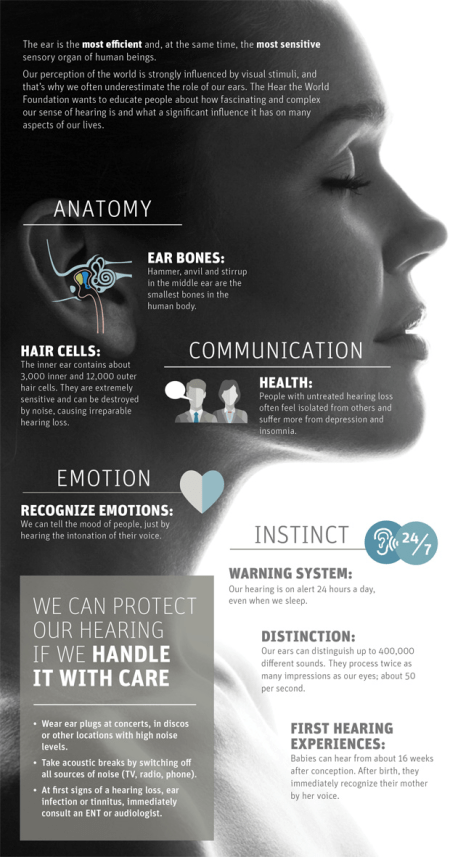
The ability to hear is a powerful thing – hearing makes memories of special times shared with loved ones, provides understanding in work and social settings, and connects us to the world around us. In celebration of BHSM, the Hear the World Foundation created an infographic that shows some interesting facts about hearing.

Better Hearing and Speech Month 2016

(Infographic from http://www.hear-the-world.com/en/about-us/campaigns-events/better-hearing-and-speech-month/better-hearing-and-speech-month.html)

The Power Beyond Hearing

Our ears can distinguish up to 400,000 different sounds and process twice as many impressions as our eyes! Our hearing is used 24 hours a day, is the key to communication, and hence, to social interaction. The ear is man’s most efficient but also most sensitive sensory organ. However, its importance in our modern, visually-oriented world is often underestimated.

The Hear the World Foundation created “The Power Beyond Hearing” infographic to raise awareness about the importance and efficiency of our hearing, the influence our hearing has on various aspects of our lives, and how we can protect it.

Power Beyond Hearing

(Infographic from http://www.hear-the-world.com/en/about-us/campaigns-events/the-power-beyond-hearing/the-power-beyond-hearing.html)

Protect Your Hearing

Protect Your Hearing

We frequently put our hearing at risk due to unsafe listening practices and excessive noise exposure.  Noise-induced hearing loss cannot be reversed and affects people of all ages (not just older people).  Once the sensitive hair cells have been damaged, they can no longer transmit any impulses to the auditory nerve and to the brain.  The Hear the World Foundation offers these tips to protect your hearing and avoid noise-induced hearing loss:

  • A noise level of less than 85 dB is considered safe for our ears.
  • When listening to music on audio devices, keep the level no louder than 60% of the maximum volume.
  • Listen to music through headphones that fit well and decrease ambient noise.
  • Wear ear plugs at concerts, in discos, and in other noisy places. (Ear protection can reduce the noise levels by 5 to 45 dB).  Maintain an adequate distance from the source of the noise to avoid damage to hearing.
  • Deliberately take acoustic breaks and turn off all sources of noise (radio, TV, etc.).  After going to a concert or disco, or working in a noisy environment, etc. it is especially important that you give your ears a rest of at least 10 hours to enable recovery.
  • If in spite of precautions, you experience symptoms such as a feeling of pressure in the ear, a dull hearing sensation, or persistent sounds or lingering ringing in the ear, you should rest your hearing as a matter of urgency, drink lots of fluids (which improves the circulation of blood to the hair cells in the cochlea which helps your hearing to function properly), and consult a hearing specialist as soon as possible.
  • Regardless of noise exposure, be sure to regularly have your hearing checked by a hearing care professional or specialist physician.
Information from:

Hearing Protection Options:

Protect Your Hearing Guide

How loud is too loud

(Infographic from http://hearinghealthfoundation.org/blog?blogid=203)

More Information:

12 Myths About Hearing Loss

We Have to Protect Our Hearing at All Costs

© Copyright 2016, Seattle Dizzy Group. All rights reserved.

Posted by: seattledizzygroup | April 30, 2016

Vestibular Testing

Assessing Vestibular Disorders

by Judith White, MD, PhD

of Swedish Balance Center

(Presented to Seattle Dizzy Group on 4/9/16)

This presentation gives an overview of vestibular assessment including both common and newer tests and where they fit in the continuum of diagnosis, treatment, and care of patients with vestibular disorders.

Introduction

Dizziness, vertigo, and imbalance can be frustrating for patients to experience and lead to falls. The cause is often readily apparent (for example, Benign Paroxysmal Positional Vertigo or BPPV which can be found with positional testing even without special equipment). Sometimes the cause is more difficult to determine and more detailed evaluation is necessary to determine if there is an inner ear problem, or if attention would be better turned to other causes. Comprehensive vestibular testing is often recommended. Many vestibular tests are available or being developed to understand the complex interaction of eye movements, the brain, balance, and the inner ear.
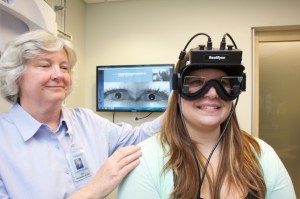
Open goggles

Evaluation by a vestibular specialist often includes the recording of eye movements using goggles. The inner ear and brain send information to control balance, and keep the eyes on target during head movements. The vestibular system includes the balance portions of the inner ear, central brain and neck connections, and the eye movements and balance reflexes. Examining these eye movements allows the specialist to evaluate the different parts of the vestibular system. Goggle systems allow for recording and examination (usually while patients are briefly in the dark, so that distractions from vision do not interfere with eye movements). Goggle exams are done by many providers, including physical therapists, audiologists and vestibular specialists in neurology, otolaryngology and rehabilitation medicine. Some disorders, such as acute vestibular weakness or BPPV, can be diagnosed using the goggle exam alone.
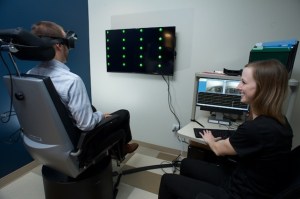
Vestibulo Ocular Reflex Test

Comprehensive vestibular testing takes about 90 minutes. It begins with detailed evaluation of eye movements while looking at a large screen TV, and most patients describe this like playing a video game. Next, the ability of the vestibular system and brain to keep the eyes on target during movement is tested using a chair that rotates. The new rotating chairs do not need a surround, since recording accuracy has improved with new technology.

Additional vestibular testing is performed as needed. When comparison of function between the left and right ears needs to be tested, warm and cold air or water may be used to stimulate the inner ears. Tests using clicking sounds (Vestibular Evoked Myogenic Potential or VEMP) are used to check for thinning of the bone around the inner ear, which can cause sound and pressure related vestibular symptoms.

Dizziness

  • Most common complaint over age 75
  • 8 million annual U.S. visits
  • Chronic dizziness (> 2 weeks) affects 16% of self-reported U.S. population.
  • 35.4 % of US adults aged 40 and older have vestibular dysfunction (National Health and Nutrition Examination Survey, 2001-2004;Arch Inter Med 169 (10), 938-44, 2009.)

Spiral of Dizziness

  • Dizziness increases risk of falling by 8-13 fold
  • Limiting activities further increases deconditioning and fall risk (Use it or lose it!)

History

  • 70% of dizzy patients can be diagnosed with a careful history (Gufoni, 2005)
  • Equilibrium is an unconscious sensation. Few descriptions exist to describe its absence.
  • Onset – detailed description of first episode and most recent episode
    • Character
    • Frequency
    • Duration (vertigo and/or milder symptoms)
    • Associated hearing loss or tinnitus
    • Provoking factors (noise, pressure changes, position change)

Vestibular Labyrinth
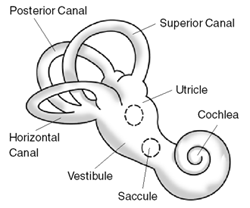
Inner Ear Anatomy 4.PNG

The vestibular labyrinth contains two types of sensors, the semicircular canals and the otolith organs.  The semicircular canals sense angular, that is, rotational, movement; specifically, they sense angular acceleration.  The otolith organs sense linear motion and orientation with respect to gravity.

There are three semicircular canals, the horizontal, the superior (anterior), and posterior (inferior).  Each semicircular canal is sensitive to rotation in its plane.  For example, turning the head left and right as if to say “no” stimulates predominantly the horizontal semicircular canal.  The planes of the three semicircular canals are nearly perpendicular to one another.  Thus, they are able to sense rotation about all axes.

The otolith organs (which contain otoconia) include the utricle and saccule.  The utricle senses motion to/fro and left/right and also senses static pitch and roll of the head, i.e. movements like putting one’s chin on the chest or touching ear to shoulder, respectively.  The saccule senses up/down motion, to/fro motion, and static pitch of the head.

Note the proximity of the cochlea to the vestibular labyrinth.  The vestibular and auditory portions of the inner ear share common blood supply and inner ear fluid.  Thus, it is not unusual for disorders that affect the vestibular labyrinth to also affect the cochlea causing hearing loss or tinnitus.

  Adapted from Platzer (ed):  Pernkopt  Anatomy (3rd edition).  Urban and Schwarzenberg Inc., Baltimore, 1989.

Otoconia
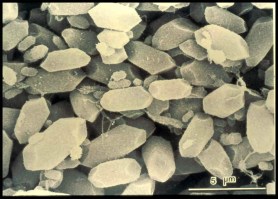
  Scanning Electron Micrograph of Otoconia

Otoconia are pebble-like structures composed of crystalized calcium carbonate (CaCO3). The otoconia are constantly being formed and reabsorbed in a process involving the macular supporting cells and surrounding dark cells.

Scanning Electron Micrograph Image of Otoconia from Harada Y (ed): The Vestibular Organs. Amersterdam: Kugler & Guedini, 1988.

Positional Testing
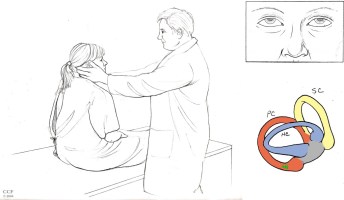
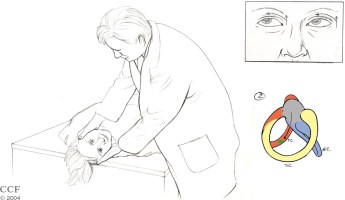
DHT Sitting  DHT HHR

Otoconia (also known as particles or canaliths) may migrate into the semicircular canals, trigger nerve receptors, and cause positional vertigo.

  • Lateral supine head turns and Dix-Hallpike positioning (to provoke/evaluate nystagmus indicative of positional vertigo)
    • Latency
    • Duration
    • Fatigue
    • Habituation

Benign Paroxysmal Positional  Vertigo (BPPV)

  • Vertigo of sudden onset and brief duration provoked by changes in head position
    • Lying down
    • Rolling over in bed
    • Bending over
    • Looking up
    • Washing hair in shower
    • Dentist or beauty parlor

Incidence/Prevalence of BPPV

  • Most common referred diagnosis in tertiary centers
  • 9% of randomly selected community dwelling elderly (Oghalai, J.S. et al 2000)
  • Incidence increases 38% with each decade of life (Froehling 1991)

Peripheral Nystagmus

  • Jerk nystagmus (slow and fast phase)
  • Direction fixed
  • Generally beats away from affected ear
  • Worse in the direction of gaze that is towards the fast phase

National Guidelines for BPPV

  • American Academy of Otolaryngology and American Academy of Neurology
    • Perform the Dix-Hallpike maneuver for diagnosis
    • Recommend not performing radiological imaging
    • Recommend against use of vestibular suppressant medication
    • Perform repositioning maneuver and/or vestibular rehabilitation referral
    • Evaluate treatment failures for underlying vestibular or CNS disorders

Canalith Repositioning Procedure

(otherwise known as Particle Repositioning Maneuver)
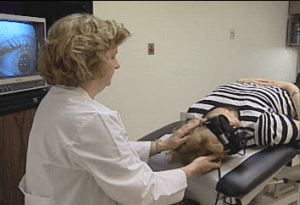
Canalith Repositioning

BPPV can affect any of the three canals in each ear, and examination of the eye movements (nystagmus) during positioning testing can help determine which canals are affected. In turn, maneuvers can be performed using video goggles for guidance to maximize the success of the repositioning.

BPPV Recurrence

  • Recurrence is common (15%/yr)
  • Otoconial adherence or mineralization/ demineralization abnormalities may contribute to recurrence
  • Home canalith repositioning is effective (Radke, 2004)

Vestibulo-Ocular Reflex
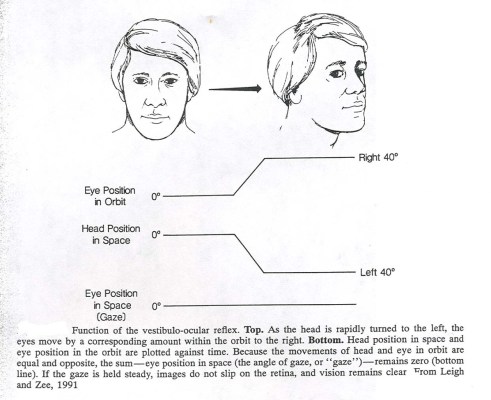
Vestibulo Ocular Reflex

Posturography

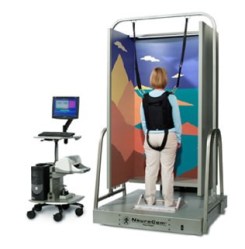
Posturography

  • Postural control is a complex interplay of visual, proprioceptive and vestibular input
  • Posturography tests static postural control in a series of conditions designed to emphasize or minimize each of these inputs

Caloric Tests

  • Only used to compare the inner ear function on one side to that on the other side
  • Used less often due to newer technologies
  • Subject to technical artifact
  • May be necessary before procedures to verify normal vestibular function in the good ear

Acute Vestibular Syndrome

  • Rapid unilateral injury to either peripheral or central vestibular structures produces prolonged vertigo (days to weeks)
  • Severe vertigo, nausea and vomiting, spontaneous nystagmus and postural instability
  • Usually peripheral and can be associated with hearing loss (labyrinthitis)
  • Timely diagnosis improves recovery (ASAP prednisone 1mg/kg/day for ten days and taper 10 mg/day – Strupp M., 2004 NEJM)
  • Avoid vestibular suppressants after 3 days and begin vestibular rehabilitation to hasten compensation.
  • Compensation from the brain and good ear begin after three days
  • Vestibular suppressants delay compensation
  • Compensation can be measured by looking at eye movements while moving the head

Vestibular Evoked Myogenic Potential (VEMP)
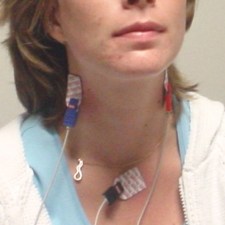
VEMP

Clinical Applications

  • The Cervical-VEMP is a test of saccular function
  • Inferior vestibular nerve response is assessed
  • Complements vestibular test procedures that assess lateral semicircular canal/superior division of the vestibular nerve.
  • Asymmetric low thresholds are most predictive of SSCD

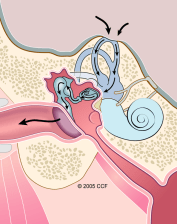
Superior Semicircular Canal Dehiscence (SSCD)

  • First described by Minor et al 1998
  • Sound or pressure induced eye movements
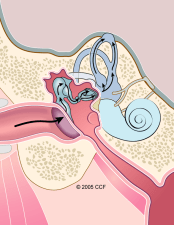
  • Defect in the bone overlying the SCC forms an abnormal connection between the vestibular system and intracranial compartment.

Common Presenting Symptoms/Complaints

  • Pressure Induced Disequilibrium
    • Elevators
    • Scuba Diver
    • Sneezing
    • Flying
    • Straining
    • Lifting Weights
  • Sound induced disequilibrium
    • Loud noises cause imbalance or frank vertigo
      • Organ music
      • Fire alarm
      • School bells (teachers)
      • Loud telephone or music
      • Audiologist (demonstrating audiologic screening on self)
  • Hearing Loss
    • Muffled, blocked or echo in hearing
    • Usually low frequency
    • Typically reduced hearing for sounds presented thru the air, but unusually sensitive hearing for sounds presented via vibration (bone conduction)
    • Patient may hear a vibrating tuning fork applied to their ankle in their ear (conducts vibration thru skeleton)

Eye Movements Align with the Abnormal Canal
SSCD 2  SSCD

  • Tonic upwards and ipsilateral intorsion is seen with ampullofugal endolymph flow – activation (loud noise, positive middle ear pressure)
  • Tonic downwards and ipsilateral extorsion is seen with ampullopetal endolymph flow – inhibition (Valsalva against a closed glottis, jugular compression, raised intracranial pressure)

Vestibular Assessment Summary

  • Vestibular tests help evaluate the location of any problems in the inner ear
  • Vestibular tests are also helpful in evaluating other central nervous system disorders affecting eye movement and balance

 

Judith White, MD, PhD

of Swedish Balance Center

Dr. Judith White listens carefully and focuses on the details of dizziness, vertigo and balance problems, in order to provide efficient and accurate diagnosis and convenient evidence-based treatment. The Swedish Balance Center uses a team approach, with specialists in ear, balance and rehabilitation working together, with the full resources of the Swedish Neuroscience Institute. Preventing falls and their potentially life-altering consequences is the priority of our work, consistent with the Centers for Disease Control and Prevention national priorities.

More information about Dr. White

Swedish Balance Center


*******

Presentation information is not meant to be taken as medical advice.

Presentations posted online may include discussion notes, links, images, and other information added by Seattle Dizzy Group.

*******

Post updated May 2, 2016

© Copyright 2016, Seattle Dizzy Group. All rights reserved.

Posted by: seattledizzygroup | March 31, 2016

Reducing Inflammation

Decreasing Chronic Inflammation Naturally

by Heather Flood, ND, MS, LAc

of Bastyr Center for Natural Health

(Presented to Seattle Dizzy Group on 3/12/16)

This presentation gives an overview of the inflammatory process and offers natural ways to reduce excess inflammation in order to improve health and help manage the symptoms of a chronic vestibular or balance disorder (which may be caused by or exacerbated by chronic inflammation–for example, Meniere’s vertigo attacks, migraines, tinnitus, etc.).

Purpose of Inflammation

Normal and Important Process for:

  • Removing damaged tissues
  • Fighting microbial invaders
  • Eliminating abnormal cells
  • Recruiting white blood cells to injured area to allow for recovery

We couldn’t survive without this necessary process!

Too Much of a Good Thing?

  • Indiscriminant cell destruction
  • Chronic inflammation

Symptoms of Excess Inflammation

  • Chronic red eyes and runny nose
  • Dry skin, especially behind the ears and around the nose and eyebrows
  • Fluid retention
  • Allergies
  • Pain and stiffness in the morning
  • Swollen ankles
  • Unexplained abdominal pain
  • Chronic low level fatigue and pain

Causes of Excess Inflammation

Excessive Inflammatory Stimulation

  • Environmental allergens
  • Foods: additives, oxidized fats, high AGE
  • Medications (acetaminophen, allopurinol, barbiturates, etc.)
  • UV, x-rays, radon, tobacco smoke, obesity
  • Trauma

Excessive Inflammatory Response to Damage

  • Fats
    • Arachidonic acid
    • Too few Omega-3s, too many Omega-6s
    • Trans fats
  • Excess sugar
  • Food additives
  • Allergens

Poor Inflammation Quenching

  • Inadequate anti-oxidants
  • Inadequate liver detoxification
  • Inadequate sleep (increases Interleukin-6, elevates C-Reactive Protein)

Ways to Reduce Excess Inflammation

Consider:

  • Standard American Diet (SAD)
    • Excess sugar
    • Excess Arachidonic acid (Omega-6)
    • Insufficient Omega-3
    • Processed foods
  • Allergies
  • Foundations of Health
    • Hydration
    • Sleep
    • Exercise
    • Quit smoking

Anti-Inflammatory Diet

Sugar/Glycemic Load

Sugar greatly increases inflammation.

Study of 200 healthy women measured effect of glycemic load and found significant and positive association with increased C-Reactive Protein. (Liu S, et al. Am J Clin Nurt. 2002)

Dutch study of 1000 men and women found association with glycemic load and C-Reactive Protein. (Du H, et al. Am J Clin Nutr. 2008)

*C-Reactive Protein measures general levels of inflammation in the body.

Pro-Inflammatory Fats

  • All fats provide 9 kilocalories per gram
  • But which ones have positive effects?

ProInflammatory Fats

Trans Fats

  • Mostly made from food processing call partial hydrogenation
    • Shortening and stick margarine
    • Most processed foods
  • Increases LDL cholesterol and lowers HDL
  • Studies show it is linked to cancer, obesity, metabolism issues, heart disease, Alzheimer’s, memory loss, depression and reduced cognition

Saturated vs. Unsaturated Fats

  • Tells us about “stability”, how likely it is to be oxidized (Saturated fat is more “stable” than unsaturated fat)
  • How many binding sites it has open
  • Fats with fewer open binding sites are more stable – they’re less likely to let a free radical oxidize them by stealing an electron
  • Oxidized fats speed up aging and create inflammation

The Three Types of Fat from Most Stable to Least:

Saturated Fats

  • All the binding sites are filled
  • Every seat on the bus is taken
    • A free radical can’t get in anywhere to grab an electron and oxidize the fat
  • Solid at room temperature
    • Animal sources: beef, pork, butter, full-fat dairy products
  • Increases LDL cholesterol = Cardiovascular Disease (CVD)

Monounsaturated Fats

  • One seat open!
  • Relatively stable, but not as stable as saturated fats
  • Liquid at room temperature
    • Olive oil, coconut oil, avocado oil, peanut oil, sesame oil
  • Reduce the bad cholesterol (LDL)

Polyunsaturated Fats

  • Least stable, very open for oxidation
    • Poly = “many” seats available
  • Omega-3
    • Salmon, trout, mackerel, sardines, herring, flaxseed, walnuts, sunflower seeds, leafy vegetables
  • Omega-6
    • Peanut oil
    • Poultry, eggs, grains, soybean, canola oil, safflower oil, mayonnaise
  • Omega-6 to Omega-3 ratio should be between 1:1 and 3:1

American Diet

  • Omega-6:Omega-3 = 15:1
  • High in added sugar and processed foods.

Diet Recap

  • The types of foods that we eat are important.
  • Good fats are beneficial.
  • Saturated and trans fats increase risk for cardiovascular disease.
  • Proper Omega-6 to Omega-3 ratio is important to prevent increased inflammation. (Goal: between 1:1 and 3:1)
  • Diet should be 30-50% fat (mostly Omega-3s, low saturated fat).
  • Include protein at every meal.
  • Reduce or avoid added sugar and processed foods.

Mediterranean Diet

  • Studied for its effects on lipids and cholesterol
  • Evidence it has positive effects on lowering insulin levels and decreasing blood pressure
  • It is anti-inflammatory

Mediterranean Diet Pyramid

  • Multi-colored fruits and vegetables
  • Whole grains and nuts for a fiber source
    • Short-grain brown rice, millet, quinoa, buckwheat, amaranth
    • Almonds, walnuts, pecans, hemp seed, sunflower seeds
  • Roughly 30% of calories from fat, mostly EVOO and cold water fish
  • Modest saturated fats from dairy and land animals
  • Low in refined sugars
  • Moderate consumption of EtOH, usually from red wine

Spices

  • Ginger
  • Garlic
  • Turmeric
  • Fennel
  • Rosemary
  • Sage
  • Cinnamon
  • Mint
  • Chili peppers
  • Parsley
  • Cilantro

Mediterranean Diet Document

Anti-Inflammatory Diet Document

Pesticides in Produce

Environmental Working Group (EWG) recommends buying organic produce whenever possible in order to reduce exposure to pesticides. However, organics are not accessible or affordable for everyone, so the Clean Fifteen and Dirty Dozen shopping lists help consumers make the healthiest choices given their circumstances. Conventionally grown produce is still better than not eating fruits and vegetables. (http://www.ewg.org/foodnews/faq.php)

Clean Fifteen

  • Asparagus
  • Avocadoes
  • Cabbage
  • Cantaloupe
  • Cauliflower
  • Eggplant
  • Grapefruit
  • Kiwi
  • Mangoes
  • Onions
  • Papayas
  • Pinapples
  • Sweet Corn
  • Sweet Peas
  • Sweet Potatoes

Dirty Dozen

  • Apples
  • Celery
  • Cherry Tomatoes
  • Cucumbers
  • Grapes
  • Nectarines
  • Peaches
  • Potatoes
  • Snap Peas
  • Spinach
  • Strawberries
  • Sweet Bell Peppers
  • +Hot Peppers & Kale/Collard Greens

Environmental Working Group’s Guide to Pesticides in Produce

Allergies

Food Allergy + Food Sensitivity + Seasonal Allergy = Total Inflammatory Load

(The body responds to high levels of inflammation like a cup being filled beyond its capacity to overflowing causing negative health impacts)

Food Intolerance/Sensitivity

  • Can cause IBS or Leaky Gut
  • Elimination Diet (eliminate foods for period of time, usually a few weeks, and then reintroduce foods one by one to test tolerance)
  • IgG Food Allergy Panel (blood test for antibodies–not always accurate, but can be a helpful starting place)
  • If Food Allergy = AVOID these foods completely!
  • If Food Sensitivity, then try Rotation Diet (only eat foods that cause sensitivity once in a while)
  • Other Diets to Try: Anti-Inflammatory, Paleo, Auto-Immune Protocol (AIP), Low FODMAP, SCD, GAPS, No Nightshades, etc. (Requires trial and error exploration to find what works best for you)

Allergy Relief

  • Natural Anti-histamines
    • Nettles, Querctitin, Vitamin C
  • Hygiene
    • Neti Pot
    • Home Hygiene (change pillow cases frequently, change sheets weekly, no shoes in the house, etc.)

Foundations of Health

Hydration

  • 1/3 of your body weight in ounces (plus an additional glass of water for every caffeinated or alcoholic drink)
    • Flush out toxins
    • Keep cells supple
  • Drink non-caffeinated beverages like herbal teas (green tea or “decaffeinated” tea/coffee have caffeine and are dehydrating)
  • Eat hydrating foods (like watermelon) and drink coconut water or electrolyte water 
  • Drink plenty of water even if you are taking a diuretic (as for Meniere’s Disease or Hydrops)–your kidneys will absorb what hydration your body needs and the diuretic will get rid of the excess. A potassium-sparing diuretic may help keep you hydrated. 

Sleep

  • It is important to get good sleep!
  • Decreased sleep increases inflammation.
  • Sleep is when our bodies repair themselves.
  • Extreme fatigue is a result of total inflammatory load
  • Deep/refreshing sleep decreases Interleukin-6 and C-Reactive Protein (indicators of inflammation in the body)

Exercise

More Information About Reducing Inflammation:

Tips to Fight Inflammation with Food

5 Easy Ways to Reduce Inflammation

Heather Flood, ND, MS, LAc

of Bastyr Center for Natural Health

Dr. Flood is a first-year resident at Bastyr Center for Natural Health, providing supervision and clinical training to student physicians in the Department of Naturopathic Medicine. She also sees patients in private practice at Bastyr Center, where she integrates her western and eastern medical training.

Dr. Flood’s areas of expertise include integrative primary care medicine, physical medicine, pain management, acupuncture and East Asian herbal therapeutics. Her clinical interests are preventive medicine, women’s health, pediatrics, chronic disease management, diabetes, cardiovascular medicine, autoimmune disease, gastroenterology, endocrinology and mental health.

Dr. Flood believes in the human body’s propensity toward health and strives to encourage and promote its innate healing capacity through individualized medicine. By focusing on a holistic approach and addressing the physical, mental and emotional components, she is better able to identify the root cause of illness, allowing her to tailor treatments and interventions so they are best suited for each individual’s needs. She firmly believes in educating and empowering patients to understand their bodies and participate in their wellness.

More information about Dr. Flood

www.bastyrcenter.org


*******

Presentation information is not meant to be taken as medical advice.

Presentations posted online may include discussion notes, links, images, and other information added by Seattle Dizzy Group.

*******

Post updated April 13, 2016

© Copyright 2016, Seattle Dizzy Group. All rights reserved.

« Newer Posts - Older Posts »

Categories

Seattle Dizzy Group

Providing support & community for people living with chronic dizziness & imbalance -- in Seattle & beyond