Posted by: seattledizzygroup | April 30, 2015

How to Get Moving and Keep Moving with a Chronic Vestibular Disorder


Move for Your Health!

It can be difficult to get moving and incorporate exercise into your life when living with a chronic vestibular or balance disorder.  At a recent support group meeting, we discussed strategies for overcoming challenges and gradually increasing mobility and activity level without overdoing it.

Here are a few articles that offer helpful tips for improving your health and quality of life though movement and exercise:

Don’t Just Sit There! Move for Your Health – http://newsinhealth.nih.gov/issue/Dec2012/Feature1

Tips for Getting Moving Again While Dealing with Migraine – http://migraine.com/blog/exercise-tips-to-move/

Managing Activities and Exercise (with Chronic Fatigue) – http://www.cdc.gov/cfs/management/managing-activities.html

© Copyright 2015, Seattle Dizzy Group. All rights reserved.

Posted by: seattledizzygroup | March 31, 2015

Massage Therapy

Massage Therapy

by Francesca Garibaldi, LMP, RMT

of Francesca Garibaldi, LMP & Associates

(Presented to Seattle Dizzy Group on 3/14/15)

This presentation gives an overview of Massage Therapy, including how it works, types and benefits of massage, what to expect of a treatment, and self-massage techniques to try at home.  Learn about this complementary therapy for managing the symptoms of a chronic vestibular or balance disorder.

How Massage Therapy Works

Massage therapy is one of the oldest and most effective healing modalities we have available to us. It helps your body rid itself of the toxins you encounter in foods and the environment.

Daily activities, stress, poor posture, etc. can cause our muscle fibers to get stuck together (knotted) which blocks the blood flow and causes toxins to build up.  As we try to compensate for decreased mobility from tight muscles, we only end up causing problems with additional muscles.  Massage therapy works by breaking up knots in the muscles and realigning the muscle fibers which increases mobility, opens up the blood flow again, and releases built up toxins which can then be flushed out of the body.  After receiving a massage, you should always drink plenty of water in order to help your body clear toxins.

Regular massage therapy (received at least once or twice a month) can help improve your health and quality of life by reducing stress, relieving muscle tension, improving mobility, and unburdening your body of harmful toxins.

Types and Benefits of Massage

Swedish Massage

Swedish massage is a very relaxing and therapeutic style of bodywork. It combines oils or lotion with an array of strokes such as rolling, kneading, and percussion to help the body improve its circulation. The benefits of this type of massage are wide-ranging and include relief from aches and pains, decreased stress levels in the body, enhanced mental clarity, improved appearance, and greater flexibility.

Deep Tissue Massage

Deep tissue massage is a form of bodywork that aims to relieve tension in the deeper layers of tissue in the body. Deep tissue massage is a highly effective method for releasing chronic stress areas due to misalignment, repetitive motions, and past lingering injuries. Due to the nature of the deep tissue massage, open communication during the session is crucial to make sure you don’t get too uncomfortable. Keep in mind that soreness is fairly common after the treatment and that you should drink plenty of water to aid with the flushing and removal of toxins that are released from the deep tissue during the session.

Reiki

Reiki is a Japanese form of energy work that cleanses and balances the energy system in the body. As a result, the body’s natural self-healing mechanisms strengthen, helping to establish optimum health. During a session, the practitioner works directly with your energy field to remove blockages, detoxify your system, and restore your vital life force energy. Reiki utilizes a gentle laying on of hands to conduct the necessary energy force between us. The benefits of Reiki range from the release of habitual mental/emotional stress to alleviating chronic pain. Reiki can be done in a separate treatment or included with other massage sessions.

Intra-Oral Massage Therapy

If you have been diagnosed with TMJD (Temporomandibular Joint Dysfunction) or have pain in the jaw, by the ears, forehead, back of the head, neck and/or shoulders, a therapeutic TMJ massage may be right for you.  Treatment consists of massage to the neck, shoulder, facial, and muscles of the mouth. The practitioner will focus treatment on your chewing muscles, eliminating any trigger points, and pain referral areas by releasing tension in the fascia around the jaw, neck, head and face.

This treatment also includes intra-oral massage to the masseter muscles to reduce the stress it can put on the jaw and temporomandibular joints. Pain is frequently aggravated by clenching and/or grinding of the teeth, causing damage to the joints due to disease, arthritis or trauma to the face.

CranioSacral Therapy (CST)

CranioSacral Therapy is a gentle yet powerful technique that is effective in releasing neck pain, back pain, and mental stress (among other things). It does this by optimizing the movement of cerebrospinal fluid through the spine and around the skull. Developed by physician William Sutherland, this therapy provides a very soothing and relaxing healing experience.

(Information from http://www.francescamassage.com/types-of-massage)

What to Expect of a Massage Treatment

Before the treatment begins, discuss with the practitioner your problem areas and goals of the massage as well as any preferences or requests.

Usually, massage is received while lying on a table covered with a sheet or blanket in a room with a relaxing atmosphere.  The massage practitioner will do their best to accommodate your needs, including propping you up if necessary (to avoid positional dizziness or vertigo).  You may undress or remain clothed according to your personal comfort level.

During the massage, breathe deeply and try to relax and enjoy the treatment.  The goal is for you to be as comfortable as possible, so the practitioner should check in with you about intensity and there should be no pain. Communicate any discomfort at once, should you experience it, so that the practitioner may adjust the pressure or location of their hands. If you are asked to change position during the treatment, move slowly especially when turning over to decrease dizziness.

After the massage, you should feel very relaxed.  To minimize disorientation or dizziness, sit up from the massage slowly and take your time getting up from the massage table.  You may also wish to sit in the waiting area for a short while before going on to your next activity.  Be sure that you are fully alert before driving.

Following your massage treatment, you may experience mild nausea, headache, or tender lymph nodes in your neck or underarms for a few hours up to a few days  (especially after deep tissue massage).  Be sure to drink plenty of water in order to flush out the toxins that were released during the treatment and help alleviate any post-massage symptoms.  Exercise is also a great way to clear toxins (by sweating) and help maintain improved muscle mobility longer.

As you continue with regular massage therapy with the right practitioner (one whose touch and technique are a good fit), you will find what works best for you and gives you optimal results.

Self-Massage Techniques

Self Massage Techniques Handout (Click to Download PDF)

Wall Stretch (for Thoracic Outlet)

Position 1                         Position 2                        Position 3

Tennis Ball Massage

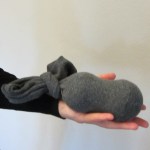
 Lying down flat or up against a wall, use tennis ball(s) to alleviate muscle knots and tension.  Use two tennis balls in a sock for neck muscles.  Or, use one tennis ball for shoulder area.

Francesca Garibaldi, LMP, RMT

of Francesca Garibaldi, LMP & Associates

Francesca graduated from Ashmead School of Massage and became licensed as a massage therapist in 2006.  In her eight years, she has focused on deep tissue and injury treatment in both her practice and continuing education.  TMJ and jaw related pain is quite prevalent with other injuries, so in 2012 she was certified by the State of Washington to administer intraoral massage and she has been amazed at the difference it has made in relieving headaches and neck pain.

Life is all about balance and Francesca believes that is true with her practice as well.  Deep treatment work can be great for the muscles, but she believes energy work can be just as important.  Her journey into bodywork began in 2000 when she became Level 1 certified in Reiki while training as a yoga instructor.  She was shocked at the difference she felt with treatments and she continues to be surprised by the positive feedback from clients.

http://www.francescamassage.com

*******

Presentation information is not meant to be taken as medical advice.

Presentations posted online may include discussion notes, links, images, and other information added by Seattle Dizzy Group.

*******

© Copyright 2015, Seattle Dizzy Group. All rights reserved.

Posted by: seattledizzygroup | February 28, 2015

Living with a Rare Disease

Rare Disease Day 2015

Today, February 28th, is Rare Disease Day!

An estimated 350 million people worldwide or about 1 in 10 people in the US are living with a rare disease.

So, even if you don’t have a rare disease, you probably know someone who does.

To learn more about rare diseases, or to find out how you can get involved and help raise awareness for rare diseases, please visit: http://www.rarediseaseday.org

The 2015 theme is: “Living with a Rare Disease: Day-by-Day, Hand-in-Hand”

Rare Disease Day 2015 puts the focus on the daily lives of patients, families and caregivers who are living with a rare disease.

The complex nature of rare diseases, coupled with limited access to treatment and services, means that family members are often the primary source of solidarity, support and care for their loved ones. The Rare Disease Day 2015 theme Living with a Rare Disease pays tribute to the millions of parents, siblings, grandparents, spouses, aunts, uncles, cousins, and friends whose daily lives are impacted and who are living day-by-day, hand-in-hand with rare disease patients.

For more information, see:

http://www.rarediseaseday.org/article/theme-of-the-year-living-with-a-rare-disease

About Rare Disease Day

Rare Disease Day began in 2008 and is celebrated internationally on the last day of February every year with the objective of raising awareness about rare diseases and their impact on patient’s lives.

Learn more about US Rare Disease Day: http://www.rarediseaseday.us/about

Get Involved!

The purpose of Rare Disease Day is to harness the creative energy of the millions of people around the world with rare diseases — and the millions who care about and assist them— to raise awareness and generate action. You can help achieve this goal throughout the year.

Find out how you can get involved: http://www.rarediseaseday.us/take-action-now

National Organization for Rare Disorders (NORD)

The National Organization for Rare Disorders (NORD) provides advocacy, education and other services to improve the lives of all people affected by rare diseases.

http://www.rarediseases.org

Posted by: seattledizzygroup | January 31, 2015

Moving Forward in 2015

“Life is like riding a bicycle. To keep your balance, you must keep moving.” – Albert Einstein

We had an another great year in 2014!  With your help, we can keep moving forward in 2015!

Seattle Dizzy Group is a respected leader in the vestibular and balance disorders patient support community with increasing national and global reach. (Read about our 2014 Highlights below). We are excited for the year ahead and hope you will join us in 2015 and help us continue to grow, provide much-needed community, and offer free support for people living with chronic dizziness and imbalance, in Seattle and beyond.  With your help, we can continue to expand community outreach and involvement and increase our advocacy efforts to raise awareness about vestibular and balance disorders (including participating in Balance Awareness Week with our Fifth Annual Walk for Balance Event).

Get Involved!

Seattle Dizzy Group is organized entirely by volunteers (the majority who are personally impacted by chronic dizziness and imbalance). We need your help to keep moving forward in 2015! We invite you to contribute to our group however you are able. Spread the word about Seattle Dizzy Group and invite others to join us. Share Seattle Dizzy Group information and resources with others. Participate in online discussions. Help with hosting in-person meetings and activities (be a greeter, assist with room set-up and take-down, bring snacks, provide transportation, etc.). For more info, email: info@seattledizzygroup.org.

We are an independent, not-for-profit group funded through donations. As we continue to grow, we are naturally incurring more expenses. Please consider supporting Seattle Dizzy Group with a financial gift to help us keep growing in 2015!  (Any amount is greatly appreciated!).

Ways your financial gift helps Seattle Dizzy Group:

  • Providing materials, supplies, and hosting for monthly support group meetings.  (Each meeting costs about $25, or about $300 annually).
  • Providing thank you gifts for guest speakers. (As funds allow, we strive to honor speakers with about $25 value gift, or about $100 annually).
  • Providing administrative support, online services/resources, and website hosting, etc.  (Administrative costs are about $300 annually).
  • Providing funding for Balance Awareness Week event(s) and other group activities.  (Costs may be about $50-$100 or more per activity).
To give Seattle Dizzy Group a donation of any amount by credit card or PayPal, click the “Donate” button below.

PayPal Donate

(Gifts to Seattle Dizzy Group are not tax deductible).

THANK YOU for your support!

2014 Highlights

  • In 2014, we had guest speakers on the topics of Food & Mood, Naturopathic Medicine & Meditation, Feldenkrais & Easier Movement, Treating and Managing Vestibular and Balance Disorders, and CranioSacral Therapy.
  • In September, we hosted our Fourth Annual Balance Awareness Event/Walk for Balance in celebration of Balance Awareness Week and Falls Prevention Day with a goal of raising awareness for vestibular and balance disorders and showing our support for people living with chronic dizziness and imbalance. Our 1-mile walk theme was “Walk a Mile in Dizzy Shoes.” In addition to the walk, we also had balance awareness information and interactive activities for all ages. The event was a big success with a great turnout and increased community involvement, including exhibitors/sponsors: Move Beyond Limits, MOSAIC Physical Therapy and Massage, and Cascade Dizziness & Balance PT. It was a fun day that hopefully helped build momentum for the cause. We received wonderfully positive feedback from participants, and we are excited to continue to grow and improve the event in 2015. (Save the date and plan to join us Saturday, September 19th, 2015!).
  • In October, we celebrated 8 years together as a support group!
  • The Seattle Dizzy Group website and online services continued to be expanded and reached a greater number of people in 2014. In addition to having a website blog and Facebook page and group, we are also on Twitter, and we have a MeetUp Group (where members can connect, receive group updates, and RSVP for upcoming meetings and activities).

See also:  2013 Highlights

© Copyright 2015, Seattle Dizzy Group. All rights reserved.

Posted by: seattledizzygroup | December 31, 2014

CranioSacral Therapy

The CranioSacral Treatment

by Emily Lesnak, ND

of Bastyr Center for Natural Health

(Presented to Seattle Dizzy Group on 11/8/14)

This presentation gives an overview of CranioSacral Therapy, including what it is, how it works, and what to expect of a typical treatment.  Learn about this complementary therapy for managing the symptoms of a chronic vestibular or balance disorder.

The CranioSacral System

The body is made up of many systems of specialized and uniquely functioning tissues such as the respiratory system, digestive system, the cardiovascular system, etc. The body also has a very subtle system, unrecognized by science until fairly recently, known as the craniosacral system. The craniosacral (CS) system consists of the membranes that form the meninges of the brain and their related structures, the spinal cord (down to the sacrum), the bones of the skull (to which those membranes attach), the cerebrospinal fluid and the structures that produce, contain and resorb the cerebrospinal fluid.

The cornerstone of the CS system is the ability of the bones of the skull to move in relation to one another as the cerebrospinal fluid moves through the attached membranes. The CS treatment is based on this relatively recent finding (it was once thought that the bones of the skull were fixed and immovable in relation to one another) as well as on the literature documenting and discussing CS research and theory.

Cerebrospinal fluid (CSF) is made in the brain and travels through the CS system. It is then resorbed into the blood via the venous system. Production of the CSF is halted when a certain pressure level is reached. As the pressure subsequently drops with resorbtion, CSF production begins again. This ebb and flow of fluid through the meninges of the brain creates a rhythm (of bone and attached tissues) unique to the CS system.

Since the membranes through which the CSF flows are attached to the skull bones, they move in response to the increase and decrease in pressure. The movement of these bones forms the basis of the CS diagnosis and treatment. The diagnosis of physiological problems is based on the clinician’s ability to assess the rate, amplitude and symmetry of the CS rhythm. The rate of CS rhythm will go up and the amplitude will go down when the meningeal membranes are restricted somewhere. Lack of symmetry helps the clinician assess where a loss of physiological motion is occurring. This could be from injuries, inflammation, scars, fascial adhesions, etc.

There is a connective tissue sheath that surrounds all body parts. This sheath is known as the fascia. It is connected to the CS system and moves with the CS rhythm. There will be a rocking motion of the sacrum and a widening and narrowing of the head during the CS pulse. A skilled clinician will also be able to feel this rhythm on other parts of the body as the fascia moves with the CS rhythm. The clinician will correct the rhythm with gentle, subtle movements of the skull, the sacrum and other areas where fascia is restricted. The following describes this treatment further.

What CranioSacral Therapy Is Used To Treat

Because the CS system is connected to the rest of the body through its connection with the fascia, restriction can affect many other body systems including the nervous system, musculoskeletal system, vascular system, endocrine system, etc. Because of these relationships, CS therapy is used to treat many different conditions. In our clinical setting, we have found CS to be helpful for headaches, sinus problems, anxiety, stress in general, endocrine problems, muscular fatigue or stress, depression, TMJ and other problems.

What To Expect Of A CranioSacral Treatment

Your clinician will have you lie on a table on your back. You may wish to be covered with a sheet or blanket, even though you will remain fully clothed. The relaxing nature of the treatment may make you feel a little colder or warmer than usual. The clinician will then palpate (i.e. examine the CS rhythm by touch) by placing her/his hands on your head, then your sacrum and possibly other areas, such as your ankles. You may be asked to shift your body slightly from time to time, but there is no other way that you need to be involved except to relax and enjoy the treatment. An attempt will be made to keep the room quiet and darkened to enhance the relaxing atmosphere. The clinician will use a very gentle, light touch and may move your head periodically as she/he applies their hands to the different bones of the skull. Light pressure will be applied to release any restrictions discovered.

The clinician will also use their hands on your abdomen and chest to release restrictions of the fascia at these points. They may also return to the sacrum for gentle release of restrictions there. More advanced clinicians may feel the CS rhythm in the body fascia by lightly holding your feet, your knees or your shoulders or by very lightly stretching your neck upwards. For bones that are more easily accessed through the mouth, the clinician uses a gloved finger to gently move them. This technique will be explained to you in detail before it is done. There are no surprises and there should be no discomfort. Communicate any discomfort at once, should you experience it, so that the clinician may adjust the pressure or location of their hands. You may feel yourself drifting off into a very relaxed state or even into a sound sleep. This is normal and you should allow yourself this level of relaxation. Occasionally, individuals have emotive experiences with CS treatment, which is all part of the process of releasing restrictions. The entire treatment can take anywhere from 20 to 45 minutes, depending on how extensive it needs to be. Your clinician can explain to you afterwards what restrictions they encountered and what releases were attempted/obtained, if you wish to know. You may feel a little lightheaded, or “spacey”, following the treatment, but you will, most likely, feel very relaxed. It is a good idea to sit in the waiting area before going on to your next activity, ensuring that you are fully alert before driving.

Resources
  • Upledger, J. “Craniosacral Therapy”, Eastland Press, 1983.
  • Upledger, J. “Craniosacral Therapy II: Beyond the Dura”, Eastland Press, 1987.
  • Milne, Hugh “The heart of listening: a visionary approach to craniosacral work”, North Atlantic Books, 1995.

More information about CranioSacral Therapy:

http://www.upledger.com/content.asp?id=61

Find a CranioSacral Therapist:

http://www.upledger.com/findApractitioner.asp

Emily Lesnak, ND

of Bastyr Center for Natural Health

Dr. Emily Lesnak is the chief resident at Bastyr Center for Natural Health, where she supervises student physicians in the Department of Naturopathic Medicine. She also sees patients in private practice at Bastyr Center, and supervises the community care site at West Seattle High School.

Dr. Lesnak’s clinical interests include family medicine, women’s health, pediatrics, autoimmune disease, diabetes and cardiovascular medicine, IBS including small intestinal bacterial overgrowth (SIBO) and methylation nutrigenomics (MTHFR). She is also interested in homeopathy, craniosacral therapy and botanical medicine.

Dr. Lesnak empowers patients to take part in their healing process by educating them about their bodies and working with them to develop a treatment plan that meets them where they are. When working with patients, she begins with the foundations of health, including diet, lifestyle and stress management.

More info & watch Dr. Lesnak discuss “How Naturopathic Medicine Can Help You”:  http://www.bastyrcenter.org/providers/emily-lesnak-nd

*******

Presentation information is not meant to be taken as medical advice.

Presentations posted online may include discussion notes, links, images, and other information added by Seattle Dizzy Group.

*******

© Copyright 2014, Seattle Dizzy Group. All rights reserved.

Posted by: seattledizzygroup | November 26, 2014

Tips for Surviving the Holidays with Joy and Peace

Tips for Surviving the Holidays with Joy & Peace!

By Anne Schwenn of Seattle Dizzy Group

The holiday season is a wonderful time of year which can unfortunately be quite challenging, overwhelming, and exhausting for those living with a chronic vestibular or balance disorder.  Try these easy and practical tips to survive and enjoy the holidays with joy and peace:

  1. Get holiday gifts and supplies early (if possible before Thanksgiving). Buy food, wine, gifts, wrap, etc. – everything you might need! Prepare like you’re stocking up for the holiday apocalypse. The idea is to have everything ready and available in your home and eliminate the need for stressful and exhausting running around town during the holiday season.
  2. Keep a stash of easy, inexpensive gifts on hand during the holidays. Buy universal things like boxes of chocolates or handy gadgets. Make sure they are things that you like. If you don’t end up gifting the items during the holidays, then voila, they can be New Year gifts for you! Get cheap gift bags and tissue at a dollar store = bingo instant wrap!
  3. Avoid malls and shopping centers which can be very over-stimulating/overwhelming. Instead, purchase holiday gifts online (=great, easy shopping!). Take advantage of coupons/deals and free shipping offers. (For example, shop Amazon. Or, Powells Books in Portland usually runs a free shipping offer during the holidays, and bonus, no sales tax).
  4. If you don’t have a lot of extra money, consider making holiday gifts. I make peanut brittle. It is easy and can be made in big batches that last for months. I buy little cellophane bags at a dollar store and make little bundles of peanut brittle. I foist them on everyone I know, and they think the brittle is a rare and difficult thing to make.
  5. Have wine on hand during the holiday season for quick gifts or to take to a party. Before the holidays, purchase 6-12 bottles of wine from a discount store that gives “case discounts” (for example, Total Wine or Wine World).
  6. If you plan to bring hors d’oeuvres or baked goods to holiday parties, pick one recipe that is easy and keep all the ingredients on hand in your home for the holiday season. (Avoid last-minute grocery store runs!). Grocery shop late at night or early in the morning when stores are quieter. Or, use a grocery delivery service like Amazon Fresh or Instacart.
  7. Holiday parties can be noisy, over-stimulating, and generally torturous. (I don’t mean our friends and family, just the event itself). Here is how I do it: Get one plate of food and one drink. Find a couch corner or a comfy chair and just sit for the party. Try to choose a seat that has arms and/or a back that you can get a lot of physical grounding from, and don’t move your head around too much. Then, like the Queen of England, have party guests approach you and be recognized and addressed. Wear a crown if you like. Holidays scream for sparkles.
  8. The holidays are filled with “traditions” and each year it seems there are more of them. For example: “Every year we bake cookies with so and so, it’s a holiday tradition” or “We always go to the Nutcracker” or “We always shop on Black Friday.” Reevaluate your traditions, and consider if any are causing you stress. If a tradition is not enjoyable or is causing too much stress and fatigue then it is okay to stop doing it. Only pick a few traditions that you really enjoy, and let the others go. Start preparing your friends and family before the holiday season and explain why you won’t be participating in some holiday activities, so it will be easier to get out of traditions.
  9. Eat healthy during the holidays. Watch the salt and sugar, avoid any food or drink that you know makes you feel awful, and stay hydrated with plenty of water. The holidays can be busy and stressful which can cause us to slide off our diet plans and then pay the price. It is so easy to use the holidays as an excuse, and naughty food is around us always. During the holiday season, give yourself one day a week (and only one day!) to indulge and eat treats.
  10. Make sure to get a little fresh air here and there during the holidays. Go for regular walks, even if they are short.
  11. Schedule rest throughout the holiday season! Weeknights are hard, especially if you work full-time. So, plan four nights a week in and only plan activities or errands out of the house one night a week. I try to only schedule one “Holiday Event” per weekend. I also put on my calendar things like “Pajama Sunday” in order to rest and recover. Prepare for down days by reserving a bunch of corny holiday movies from the library, and during the holiday season you can rest and watch movies. Stay cozy, relax, and drink a holiday beverage like cocoa, hot cider, or mulled wine.
  12. Take time to just sit, be still, and experience the many joys of the holiday season like twinkling Christmas tree lights, glowing candles, or snow falling. The holidays can actually be beautifully peaceful when you stop and enjoy them!

See also:  Holiday Tips

*Edits/updates by Seattle Dizzy Group*

 © Copyright 2014, Seattle Dizzy Group. All rights reserved.

Posted by: seattledizzygroup | October 31, 2014

Protect Your Hearing

October is National Protect Your Hearing Month and National Audiology Awareness Month

Presented by the National Institute on Deafness and Other Communication Disorders (NIDCD) and the “It’s a Noisy Planet. Protect Their Hearing.”® campaign, along with the American Academy of Audiology (AAA).

Approximately 26 million Americans between the ages of 20 and 69 have hearing loss caused by exposure to loud noises. As many as 16 percent of teens (ages 12 to 19) have reported some hearing loss that could have been caused by loud noise, according to a  2010 report based on a survey from the Centers for Disease Control and Prevention.

Noise-induced hearing loss is permanent and can increase over time, but it is preventable if you take a few easy steps to protect your hearing:

  • Lower the volume. Set the volume on electronic devices to a level that allows you to still hear what’s going on around you.
  • Move away from the noise. Put some distance between you and the noise source to reduce the impact on your ears.
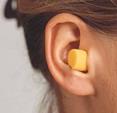
  • Wear hearing protectors, such as earmuffs or earplugs, if you can’t leave a noisy place.

http://www.nidcd.nih.gov/news/releases/14/Pages/10162014.aspx?utm_source=National&utm_medium=News&utm_content=10.16.14&utm_campaign=NIDCD

Protect your hearing by wearing ear plugs at loud concerts or other places with high noise levels. Find the right pair:

“Ear Plugs: Your Guide to Finding the Best Fit for Your Ears, Wallet

Tinnitus

According to the American Tinnitus Association, for many people tinnitus is a symptom of hearing loss, which is often induced by exposure to loud noise.

Healthy hearing habits can help prevent (or avoid worsening) hearing loss and tinnitus:

“It’s A Noisy World We Live In: How Loud is Too Loud?”

Image from: http://www.audiologysystems.com

The Power Beyond Hearing

Our ears can distinguish up to 400,000 different sounds and process twice as many impressions as our eyes! Our hearing is used 24 hours a day, is the key to communication, and hence, to social interaction. The ear is man’s most efficient but also most sensitive sensory organ. However, its importance in our modern, visually-oriented world is often underestimated.

The Hear the World Foundation created their “The Power Beyond Hearing” infographic to raise awareness about the importance and efficiency of our hearing, the influence our hearing has on various aspects of our lives, and how we can protect it.

 http://www.hear-the-world.com/en/about-us/campaigns-events/the-power-beyond-hearing/the-power-beyond-hearing.html

Hearing Restoration Project

Many types of hearing loss result from damage to the delicate hair cells of the inner ear. Humans can’t regrow these cells, but scientists have discovered that birds amazingly can. The Hearing Restoration Project of the Hearing Health Foundation (HHF) is aiming to apply this discovery to cure hearing loss and tinnitus in humans.

Posted by: seattledizzygroup | September 21, 2014

Raise Balance Awareness

Information To Share With Others To Help Raise Balance Awareness

Balance is the ability to maintain the body’s center of mass over its base of support.

Balance is achieved and maintained through your vision (sight), proprioception (touch), and the vestibular system (motion, equilibrium, spatial orientation).

Balance is usually taken for granted–until it is impaired.

Most people don’t find it difficult to walk across a gravel driveway, transition from walking on a sidewalk to grass, or get out of bed in the middle of the night without stumbling. However, with impaired balance such activities can be extremely fatiguing and sometimes dangerous. Symptoms that accompany the unsteadiness can include dizziness, vertigo, hearing and vision problems, and difficulty with concentration and memory.

How Balance is Achieved & Maintained:

Learn more at: http://www.vestibular.org/understanding-vestibular-disorder/human-balance-system

10 Things You Didn’t Know About the Balance (Vestibular) System

  1. The word “vestibular” refers to the inner-ear balance system. To achieve good physical balance we rely on our brain, eyes, inner-ear, and muscular-skeletal system to work in harmony. Healthy people usually take balance for granted until it is impaired.
  2. Over 35% of US adults aged 40 years and older (69 million Americans) have had vestibular dysfunction at some point in their lives.
  3. Balance problems can occur from inner-ear disease, a virus, a traumatic brain injury, poisoning by certain substances, autoimmune causes, migraines, and aging.
  4. People with vestibular disorders can have any or all of the following symptoms: vertigo (spinning sensation), dizziness, fatigue, jumping vision, unsteadiness, cognitive difficulties, anxiety, nausea/vomiting, hearing loss, and ringing in the ears (tinnitus).
  5. Balance disorders are an invisible chronic illness – invisible because they can’t be seen by the casual observer and chronic because they may or may not get better. They are difficult to diagnose and treat, and because others can’t “see” the outward signs they may assume the patient is overreacting or faking their symptoms, which can cause the patient to become isolated and depressed.
  6. People with vestibular disorders can suffer cognitive impacts, such as poor concentration, memory, and word recall; difficulty reading while tracking printed text; and impaired mental stamina. They may also develop anxiety due to the constant fear of having a vertigo attack.
  7. There are many different triggers that can cause or exacerbate vestibular disorders, such as stress, a high sodium diet, certain head positions, and changes in barometric pressure.
  8. Some vestibular disorders are disabling due to their physical and cognitive impacts, resulting in loss of work and livelihood, and sometimes affecting a patient’s personal relationships.
  9. Vestibular Rehabilitation Therapy (VRT) has consistently been shown to be an important part of the management of vestibular patients. Research by UTMB (2000) shows that most studies state that patients who use VRT improve by 70-80%.
  10. A support group can provide helpful information and support. To find a vestibular disorders support group in your area visit VEDA’s website at https://vestibular.org/support_groups.

To learn more about vestibular disorders, visit www.vestibular.org.

Balance Awareness Week: September 15-21, 2014
The goal of Balance Awareness Week is to reduce the time it takes to diagnose a vestibular disorder by increasing awareness.

(www.vestibular.org/BAW)

Images and information from http://www.vestibular.org

Posted by: seattledizzygroup | September 14, 2014

Living with an “Invisible” Chronic Illness

2014-iiwk-logo-medium

Sept. 8-14, 2014 is Invisible Illness Awareness Week!

If you live with invisible illness you are just one of over 100 million people.

Help raise awareness that nearly 1 in 2 people have a chronic condition in the U.S. and about 96% of those people do not have visible signs of illness.

Together we can make a difference!

More info:  http://invisibleillnessweek.com/

Chronic Illness Facts:  https://seattledizzygroup.org/2013/09/09/chronic-illness-facts/

Understanding Vestibular & Balance Disorders as “Invisible” Chronic Illnesses

This discussion (adapted by Seattle Dizzy Group) was developed by a vestibular support group leader who was inspired by chapter three of the book “Sick and Tired of Feeling Sick and Tired:  Living with Invisible Chronic Illness” by Paul J. Donoghue and Mary E. Siegel.

What is an Invisible Chronic Illness (ICI)?

An Invisible Chronic Illness (ICI) has no obvious outward signs of illness.  Common ICIs include:  Chronic Fatigue Syndrome, Migraine, Arthritis, Multiple Sclerosis, etc.

How do ICIs like vestibular (inner ear) and balance disorders differ from illnesses with more “visible” signs of illness?  (For example, the  degree of acknowledgement/acceptance by society or the level of sympathy/empathy shown by others).

Society’s Views about ICIs

According to the book Sick and Tired of Feeling Sick and Tired (p. 40), “the degree of mental anguish that an individual will suffer from his illness, as well as the amount of care, trust, respect, and compassion he will receive, is dependent upon three factors outside of himself: the social acceptability of the illness; the clarity of diagnosis; and the potential severity of the illness.”

Consider how these factors apply to vestibular and balance disorders relative to other ICIs:

Social acceptabilityRank vestibular and balance disorders and various other ICIs on a scale ranging from low to high social acceptability. For example, Chronic Fatigue Syndrome might rank “low,” while Multiple Sclerosis might rank “high.” How does society perceive people who exhibit common symptoms of vestibular and balance disorders such as imbalance, “brain fog,” or fatigue? Does having a “visible” sign, such as using a cane, increase social acceptability?

Clarity of DiagnosisRank vestibular and balance disorders and various other ICIs on a scale ranging from low to high diagnosis clarity. For example, Chronic Fatigue Syndrome might rank “low” and Multiple Sclerosis might rank “high.” How does society perceive people who have an unknown diagnosis or a diagnosis that is uncommon or poorly understood?

Potential SeverityRank vestibular and balance disorders and various other ICIs on a scale ranging from low to high potential severity. (How life threatening or life altering are they perceived to be?). For example, Chronic Fatigue Syndrome might rank “low” and Multiple Sclerosis might rank “high.”  How different is society’s level of sympathy/empathy for ICIs that have lower versus higher perceived potential severity?

Do the above factors bring greater clarity as to why family, friends, and co-workers may not sympathize/empathize as much as hoped with people who have a vestibular or balance disorder?

Has experiencing a vestibular or balance disorder (or having a loved one with chronic dizziness and imbalance) increased your  sympathy/empathy for people with ICIs?

How Can We Help Make an “Invisible” Chronic Illness More Visible to Others?

Unfortunately, people with vestibular and balance disorders are often misunderstood and stigmatized by society, including being negatively perceived as not sick, exaggerating, lazy, drunk, unintelligent, etc.

What strategies might help raise society’s awareness about vestibular and balance disorders and help increase others’ sensitivity and understanding regarding the challenges of living with chronic dizziness and imbalance?

Share Balance Awareness Facts, Figures & Trivia with others!

Participate in Balance Awareness Week (September 15-21, 2014)!

See also:  10 Ways to Make Your Invisible Illness Visible

Information adapted by Seattle Dizzy Group from:  http://www.vestibular.org/take-action/start-support-group/meeting-topics

Posted by: seattledizzygroup | August 31, 2014

Diagnosing and Managing Migraine Headaches

Diagnosing & Managing Migraine Headaches

by Meredith Mancuso, DPT

of MOSAIC Physical Therapy

(Presented to Seattle Dizzy Group on 7/12/14)

This presentation gives criteria for diagnosing migraine headaches and offers ways to reduce and manage symptoms including a Migraine Diet.

MIGRAINE EVENTS

What is a Migraine?

  • Migraines are neurological events.
  • The most common symptom is a headache, although one is not required to have the diagnosis of a migraine.
  • Events range from no pain to severe pain with permanent ischemic change (change in blood flow).
  • Most common non-pain form of a migraine is VISUAL, but any aura symptom can occur in the absence of pain including DIZZINESS.

What are the 4 Phases of a Migraine?

1.  Prodromal Phase: Early Warning Signs

Several hours before the migraine begins (and sometimes even the day before) many people notice unusual sensations. They may feel:
  • Either unusually energetic and excitable or depressed
  • Irritable
  • Thirsty
  • Cravings for certain foods
  • Sleepy, with frequent yawning
  • Need to urinate more

2.  Aura Phase: Strange Sensations Arise

This phase usually last minutes. About 1 in 5 people with migraine develop an “aura” that begins before the headache or starts along with it. An aura is often described as a fuzzy vision outline. An aura may not occur with every headache. An aura can include:

Changes in vision
Often visual symptoms begin first during the aura phase. Vision changes may include:
  • A flickering, jagged arc of light. This may take a complicated shape. It usually appears on the left or right side of your vision. Over a few minutes, it may spread in size.
  • An area of vision loss. This problem, especially when combined with flickering lights, can make driving or focusing your eyes on small objects difficult.
  • Hallucinations
Skin sensations

This part of the aura may cause tingling or “pins and needles” sensations in the body. It may also cause numbness. These feelings often affect the face and hands but can spread out across the body. The sensations may continue to expand over the next several minutes.

Language problems
During the aura phase of a migraine, you may have trouble communicating with others. Symptoms may include:
  • Difficulty expressing thoughts while speaking or writing
  • Trouble understanding spoken or written words
  • Confusion
  • Trouble concentrating

*Aura symptoms may continue to grow more severe during migraine*

3.  Attack Phase: The Headache Begins

The attack portion of a migraine episode can last for a few hours to several days. During this phase of the migraine, the person usually wants to rest quietly and finds normal activities difficult.

A defining quality of migraines is their pain. The pain of a migraine:
  • Usually begins above the eyes.
  • Typically affects one side of the head, but it may strike the entire head or move from one side to the other. It may also affect the lower face and the neck.
  • Tends to have a throbbing intensity (May throb worse during physical activity or when you lean forward).
  • May get worse if you become physically active.
Other symptoms that may arise during this phase include:
  • Unusual sensitivity to light, sounds, and smells
  • Light-headedness and fainting
  • Nausea and vomiting

4.  Postdromal Phase: After the Storm

Following the most severe phase of the migraine, you may not feel well for up to a day. Symptoms of this post-migraine phase may include:
  • Extreme tiredness
  • Sluggishness
  • Confusion
  • Head pain that flares up when you lean over or move quickly, or you may experience a rush of blood to the head

How Do We Determine You Actually Have a Migraine?

  • WE CAN’T!! There are no tests for determining migraine headaches.
  • The diagnosis is based on history of the ICDH-II.
  • Physical exam and imaging (MRI) are used to rule out any other issues such as tumors, etc.

Migraine Headache Criteria for Diagnosis:

The following are the ICHD-II (International Classification for Headache Disorders) criteria for migraine without aura:

  • 5 headaches of moderate to severe intensity (interrupts your life) in your life time—over time can range from mild to severe
  • Lasting 4-72 hours without treatment in adults (2 hours minimum in children)
  • Light sensitivity and sound sensitivity OR nausea/vomiting
  • Must have at least 2 of the following:
    • Inhibits daily activity
    • Aggravated by routine activity
    • Throbbing/pulsing
    • Head pain localizes (unilateral or bitemporal)

Additional Complaints and Features that Help in Making the Case for a Migraine Diagnosis:

  • Motion sickness and/or sleepwalking especially in childhood
  • Scintillating scotomata – VISUAL AURA with or without pain
  • Family history (family members with migraine history)
  • Hormonal and food triggers
  • Headache with caffeine withdrawal
  • Headache with sensory complaints
  • Balance deficits around the event
  • SPELLS OF DIZZINESS THAT LAST MINUTES to 60 minutes at most

Ways to Manage Migraines:

  • Reduce risk factors
  • Manage motion sensitivity (This may require physical therapy)
  • Manage stress and anxiety
  • Manage diet

MIGRAINE DIET 

Foods:

Reduce or Avoid:

Instead Use:
Beverages Chocolate and cocoa, alcoholic beverages aged in wood containers (red wine, port, sherry, scotch, bourbon, gin, chardonnay), sugar-free non-alcoholic drinks with Aspartame or Nutrasweet All other beverages including: wine aged in metal containers (including chardonnay and red wines of the “Naked” brand), sugar-free non-alcoholic drinks with saccharine or Splenda
Cheeses Stilton, bleu, cheddar, mozzarella, cheese spread, Roquefort, provolone, gruyere, muenster, feta, parmesan, brie, brick, camembert types, gouda, Romano American, cottage, farmer, ricotta, cream, Canadian, processed cheese slice
Nuts Almonds, walnuts, cashews Peanuts
Beans Garbanzo, chick peas All others
Smoked meats Ham, turkey, hot dogs (with nitrates) All meats without nitrates
Desserts Any sweets containing chocolate or nuts Any sweets without chocolate or nuts
Miscellaneous Monosodium glutamate (MSG) (found in Chinese, Mexican, Seafood, and soups), Accent, meat tenderizer, seasoned salt, yeast, yeast extract Salt in moderation, lemon juice, butter or margarine, cooking oil, whipped cream, white vinegar, commercial salad dressings

*Diet information modified from Diamond S: Dietary factors in vascular headache. Neurol Forum 1991;2:2. Also from Shulman, KI et al: Dietary restrictions, tyramine, and the use of monoamine oxidase inhibitors. JClin Psychopharmacol 1989;9:397.

More information about Migraine Headaches:

http://migraine.com/migraine-symptoms/

http://www.headaches.org/education/Tools_for_Sufferers/Headache_-_Frequently_Asked_Questions

“The Migraine Brain: Your Breakthrough Guide to Fewer Headaches, Better Health” by Carolyn Berstein

Meredith Mancuso DPTMeredith Mancuso, DPT

of MOSAIC Physical Therapy

Meredith grew up in Boston, MA. She attended Colby College in Waterville, ME and went on to get her Doctorate in Physical Therapy at Massachusetts General Hospital’s Institute of Health Profession, Boston, MA. She joined MOSAIC PT in March 2014.

http://www.mosaicrehab.com/mlt/therapists/meredith_mancuso.php

*******

Presentation information is not meant to be taken as medical advice.

Presentations posted online may include discussion notes, links, images, and other information added by Seattle Dizzy Group.

Download Presentation Handout PDF (original without notes):  www.facebook.com/groups/SeattleDizzyGroup/files/

(Join the Seattle Dizzy Group closed/secret Facebook group to download the presentation.  Send us your email address for invitation to join our Facebook group).

*******

« Newer Posts - Older Posts »

Categories

Seattle Dizzy Group

Providing support & community for people living with chronic dizziness & imbalance -- in Seattle & beyond